
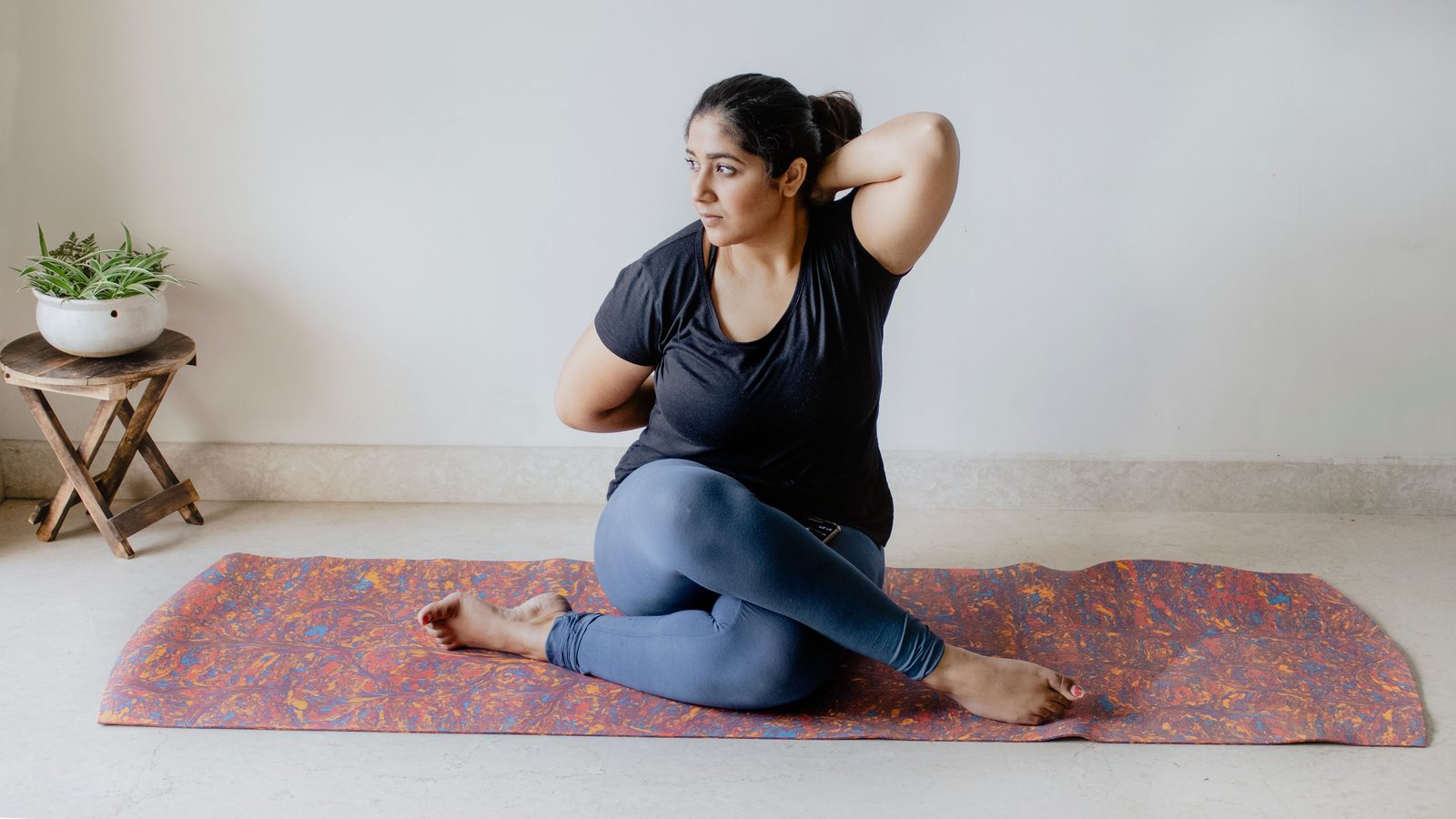
Quick answer: Most beginners do well with 1–2 rest days a week, and 2–3 if they’re lifting weights or doing hard workouts. Daily walking at an easy pace doesn’t usually need a full rest day, but harder sessions do. A rest day can still include light movement like a slow walk or stretching. If you’re always sore, tired or your progress has stalled, you probably need more rest, not more training.
Key takeaways
- 1–2 rest days a week suits most beginners; 2–3 if you lift or train hard.
- Easy walking can be daily; hard sessions need recovery after them.
- Rest days help fat loss by keeping you consistent and injury-free.
- Sleep is part of rest. Six hours a night undoes a lot of good training.
Why a Rest Day Matters for Fat Loss
Here’s the thing most new exercisers get wrong. They start a weight loss plan, feel motivated, and train hard every single day. Week one feels great. By week three their knees hurt, they’re dragging themselves out of bed, and they quit.
A day off isn’t a reward for being good. It’s when your body repairs the muscle you worked, refills its energy stores and settles any small aches before they become injuries. Training is the signal. Recovery is when the change happens.
For fat loss, the biggest win from a planned rest day is simple: it keeps you going for months instead of weeks. Consistency beats intensity.
In this article, you’ll learn:
- How many rest days a week suit walkers, lifters and home workout beginners
- The difference between a full rest day and an active recovery day
- Signs you need an extra rest day
- What to eat and do on a rest day
- Common rest day mistakes
How Many Rest Days a Week? A Simple Table
There’s no single number for everyone. It depends on what you do and how hard you do it. Use this as a starting point.
| Your routine | Rest days a week | Notes |
|---|---|---|
| Easy daily walking (talk-and-walk pace) | 0–1 | Light walking is low strain; take a day off if legs feel heavy |
| Brisk walking 45+ min or incline walking | 1–2 | Swap a hard day for an easy stroll |
| Strength training, beginner | 2–3 | Avoid training the same muscles two days in a row |
| Home HIIT or skipping | 2–3 | High impact; space sessions out |
| Mixed plan (walk + weights) | 1–2 full days | Plus easy walks between harder days |
The NHS activity guidelines suggest spreading exercise evenly over 4–5 days a week or every day, along with strength work on at least 2 days. That leaves room for rest built in.
Full Rest Day vs Active Recovery Day
Full rest means no planned workout. You still do normal life: office, cooking, shopping, maybe a short stroll after dinner.
An active recovery day means gentle movement that doesn’t add strain:
- A slow 20–30 minute walk
- Light stretching or easy yoga
- A relaxed cycle ride
- Mobility work for hips, back and shoulders
For most people trying to lose weight, active recovery is the better choice on 1–2 of those days. It keeps blood flowing, keeps your step count sensible and builds the habit of moving every day. Our indoor walking workout works well as an easy recovery walk on smoggy mornings.
7 Signs You Need an Extra Rest Day
Your plan says “train today.” Your body may disagree. Take an extra day off if you notice:
- Soreness that lasts more than 2–3 days or gets worse instead of better.
- Your resting heart rate is higher than usual for a few mornings (many smartwatches show this trend).
- Poor sleep even though you’re tired.
- Your workouts feel harder at the same speed or weight.
- You dread training in a way that’s new for you.
- Joint pain, especially in knees, shins or heels. Muscle soreness is normal; sharp joint pain isn’t.
- You keep catching colds or feel run down.
One bad day isn’t a pattern. Three or four together usually are.
Does Taking a Rest Day Slow Down Weight Loss?
This worry stops a lot of people from resting. The short answer: no, not in any way that matters.
A day off burns fewer calories than a workout day, sure. But the difference over a week is small compared with what you eat. Fat loss mostly comes from a steady, modest calorie gap across weeks. Our post on how many steps to lose 1 kg a week shows the maths: food choices move the needle far more than one extra workout.
What really slows fat loss is getting injured or burnt out and stopping for a month. A planned day off protects you from that.
What to Do on a Rest Day
| Do | Skip |
|---|---|
| Easy walk, 20–30 minutes | Making up for missed workouts |
| Stretching or gentle yoga | “Cheat day” eating because it’s a rest day |
| Sleep 7–9 hours | Late-night scrolling |
| Drink enough water | Heavy alcohol |
| Eat normal meals with protein | Skipping meals to “save” calories |
On food: a day off doesn’t mean you have to eat much less. Eat your normal balanced meals. Keep protein in every meal (dal, paneer, eggs, curd, chicken, sprouts) because that’s what helps your muscles recover.
Sleep: The Recovery That Happens Every Night
You can plan perfect recovery and still feel wrecked if you sleep five hours a night. The WHO physical activity guidance focuses on moving more, but recovery depends heavily on sleep too. Short sleep makes workouts feel harder and tends to raise hunger the next day.
A few habits help:
- Same bedtime most nights, even on weekends
- Phone away 30 minutes before bed
- Dark, cool room
- No heavy meal right before sleeping
Recovery Mistakes to Avoid
- Never resting. “No days off” sounds tough. It usually ends in injury.
- Resting too much. Five rest days a week isn’t a plan. Aim to move most days.
- Turning days off into feast days. Recovery isn’t a free pass.
- Doing a hard workout “just a little.” If it’s a recovery day, keep it easy.
- Ignoring pain. Pain that changes how you walk needs rest and maybe a doctor.
A Sample Week for a Beginner
| Day | Plan |
|---|---|
| Monday | Brisk walk 40 min |
| Tuesday | Strength (bodyweight or dumbbells) 25 min |
| Wednesday | Active recovery: easy walk + stretching |
| Thursday | Brisk walk 40 min with short fast bursts |
| Friday | Strength 25 min |
| Saturday | Long easy walk 60 min |
| Sunday | Full day off |
Adjust it to your schedule. The pattern matters more than the exact days: hard, easy, hard, easy, with at least one full day off.
Frequently Asked Questions About Rest Day Planning
Q: Is it okay to walk every day without a rest day?
Easy walking every day is fine for most healthy adults. If your legs feel heavy or sore, make one day a slow, short walk.
Q: How many rest days a week should a beginner take?
Start with 2. As your fitness improves, you may need only 1 full day off plus easier days between harder ones.
Q: Should I eat less on a rest day?
Not much less. Eat normal, balanced meals with protein. Big swings in eating usually backfire.
Q: Can I do yoga on a rest day?
Yes, gentle yoga or stretching is a good active recovery. Skip intense power yoga if you’re tired.
The Bottom Line
Most people need 1–2 rest days a week, and more if they lift or train hard. Planned breaks keep you injury-free and consistent, which is what actually drives fat loss. Listen to your body, sleep well, and keep recovery days light rather than lazy.
Save this guide for your weekly plan, share it with a friend who never takes a day off, and follow FitnessGear.in on WhatsApp for simple fat loss plans.
This article is for general information and isn’t medical advice.