
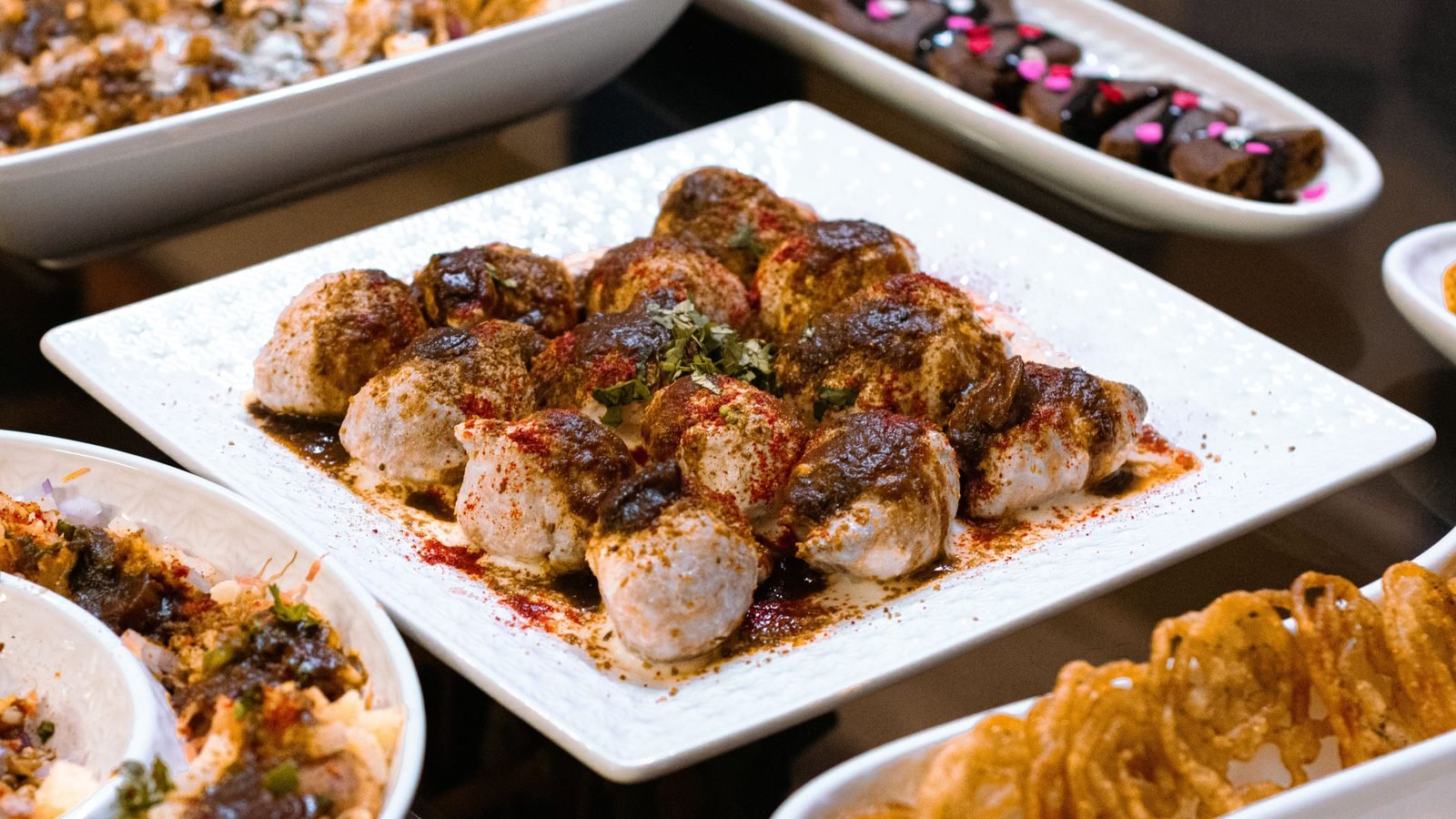
Quick answer: At a wedding buffet, walk the whole spread before you pick up a plate. Fill half your plate with salad, sabzi and dal, a quarter with paneer, chicken or fish, and a quarter with one roti, naan or a small scoop of rice or biryani. Choose two or three starters, not ten. Pick one dessert you really love, skip the sugary drinks, and stop at one full plate. You’ll eat well and still feel fine the next morning.
Key takeaways
- ICMR-NIN’s “My Plate for the Day” puts vegetables, fruits and greens at roughly half the plate. That works at a buffet too.
- One planned plate beats grazing at every counter for two hours.
- Starters, fried snacks, sweet drinks and alcohol are where most of the extra eating hides.
- One heavy dinner won’t undo your progress. Five in a row without a plan can.
In this article, you’ll learn:
- Why wedding buffets are so easy to overdo
- A simple plate map you can use at any shaadi
- How to handle each counter, from chaat to gulab jamun
- What to do about drinks and late dinners
- How to manage a week with several functions
Why a Wedding Buffet Is So Easy to Overdo
A wedding buffet is built for plenty. There are welcome drinks, waiters with trays of starters, three or four live counters, a long main-course line and a dessert section that could fill a sweet shop. Dinner often starts after 10 pm, after you’ve been standing, chatting and snacking for two hours.
None of that is bad. Weddings are meant to be generous. But the setup makes it easy to eat far more than you meant to, without ever sitting down to a “big meal”. A paneer tikka here, a pani puri there, a plate of noodles from the live counter, then dinner, then dessert.
The fix isn’t to eat salad while everyone else enjoys themselves. It’s to go in with a plan. If you’re following our wedding season weight loss plan, this is the post for the night itself.
The Wedding Buffet Plate Map
India’s own guidelines make this simple. The ICMR-NIN “My Plate for the Day” policy brief says vegetables, fruits, green leafy vegetables and tubers should make up essentially half the plate, with cereals and millets taking the next biggest share, followed by pulses, nuts and oils.
At a wedding buffet, that turns into this:
| Plate section | What to pick | Go easy on |
|---|---|---|
| Half the plate | Salad, kachumber, raita, mixed veg, palak, dal, any dry sabzi | Malai kofta, creamy gravies swimming in oil |
| A quarter | Paneer tikka, tandoori chicken, fish, chana, rajma | Fried chicken, paneer pakoras |
| A quarter | 1 roti or half a naan, or a small scoop of rice, pulao or biryani | Butter naan plus biryani plus puri on one plate |
| On the side | One dessert you really want | A little of every sweet “just to taste” |
Use a regular dinner plate, not a heaped one. Fill it once, sit down, and eat slowly while you talk. If you’re still hungry 15 minutes later, go back for more salad or dal.
How to Handle Each Counter
Welcome drinks
Fresh lime soda without sugar, plain soda, buttermilk or water are the easy picks. Mocktails, colas and fruit punches are often loaded with sugar. The WHO’s healthy diet fact sheet advises keeping free sugars under 10% of daily energy, and ICMR-NIN suggests no more than 25 to 30 g of sugar a day. One or two sweet drinks can use up most of that before dinner even starts.
Starters and passed trays
This is where most people overeat without noticing. Pick two or three starters you really like and say “no, thank you” to the rest. Tandoori and grilled items are a better bet than deep-fried ones. Hold a glass of water or buttermilk in one hand. It’s harder to keep grabbing from trays.
Chaat and live counters
Pani puri, aloo tikki, dosa, pasta and noodle counters are fun. Pick one, not all four. A single plate of chaat is fine. Treat it as your starter, not an extra.
Main course
Use the plate map. Start with salad and dal, then add your protein, then your roti or rice. Gravies with lots of cream, butter or oil are heavier, so take a smaller ladle and more of the dry sabzi.
Breads and rice
Choose one: a roti, half a naan, or a small serving of rice or biryani. Having all three on one plate is the most common way a wedding buffet plate doubles in size.
Desserts
Walk the dessert table first, then pick the one you’d be sad to miss. Gulab jamun, rasmalai, gajar halwa, kulfi: choose one and enjoy it slowly. Sharing a second dessert with someone is a good middle path.
Drinks, Late Dinners and Salt
Alcohol. The WHO says no level of alcohol is safe for health. If you do drink, alcohol adds calories and also makes it harder to stick to one plate. Alternate each drink with a glass of water, and skip sugary mixers.
Late dinners. When dinner opens at 10:30 pm, you arrive hungry and overeat. Have a small snack at home before you leave: a bowl of chana, a fruit with a handful of nuts, or a glass of buttermilk. You’ll walk into the wedding buffet calm instead of starving.
Salt. Wedding food is usually salty. The WHO recommends less than 5 g of salt a day. You may feel puffy the next morning. That’s mostly water, not fat, and it settles in a day or two.
Got Five Functions This Month?
Shaadi season rarely means one wedding. It’s the mehendi, sangeet, wedding and reception, sometimes for three different families. Here’s how to stay steady:
- Pick your big nights. Enjoy the main wedding dinner fully. Keep the smaller functions lighter.
- Eat simply on the days in between. Dal, sabzi, roti, curd and fruit at home balances things out.
- Keep moving. A 30-minute walk the morning after helps you feel better. Dancing counts too. See our post on sangeet dance practice as cardio for the honest maths.
- Don’t skip meals to “save up”. It usually leads to eating more at night. Have a normal breakfast and lunch.
- Sleep when you can. Late nights make you hungrier the next day. Our guide on being hungry after walking covers how to handle extra hunger without overeating.
If you have diabetes, take your medicines on time even on wedding days, and talk to your doctor about how to handle late dinners and sweets.
Frequently Asked Questions About Wedding Buffet Eating
Q: What should I eat first at a wedding buffet?
Start with salad, raita or a clear soup, then dal and sabzi. Fibre and protein first help you feel full sooner, so you’re less likely to pile on the heavy dishes.
Q: Is it okay to eat dessert at a wedding buffet?
Yes. Pick one dessert you really love and enjoy it. Trying a bit of everything usually adds up to much more than one full serving.
Q: How do I avoid overeating at weddings when food is served so late?
Eat a small, filling snack at home before you leave, like chana, fruit with nuts or buttermilk. Arriving very hungry is the biggest reason people overeat.
Q: Will one wedding buffet ruin my weight loss?
No. One big meal won’t undo weeks of steady effort. The scale may jump the next day from salt and water. Go back to your normal eating and walking, and it settles.
Enjoy the Shaadi, Keep the Plan
A wedding buffet doesn’t have to be a choice between enjoying yourself and staying on track. Walk the spread first, fill half your plate with vegetables and dal, pick a few starters and one dessert, and stop at one full plate. Then go dance.
Save this plate map for your next shaadi, share it with the cousin who always goes back for thirds, and follow our WhatsApp channel for more wedding-season fitness tips.
This article is for general information and isn’t medical advice.