
Quick answer: In randomised trials, skipping breakfast didn’t cause weight gain. A 2019 BMJ review of 13 trials found people who skipped breakfast weighed slightly less, by about 0.44 kg, and ate around 260 kcal less a day. But the differences were small and the trials short. For weight, your total food across the day matters far more than whether you eat at 8 am. Eat breakfast if it keeps you from snacking later, and skip it if you’re simply not hungry.
Key takeaways
- The idea that skipping breakfast makes you fat comes mostly from observational studies, not trials.
- In a 16-week trial of 309 adults trying to lose weight, being told to eat or skip breakfast made no difference to weight loss.
- In a UK trial, breakfast eaters ate more but also moved more, so body weight didn’t change either way.
- People with diabetes on medicines, pregnant women, teenagers and anyone with a history of eating disorders should talk to a doctor before skipping meals.
In this article, you’ll learn:
- Where the “breakfast is the most important meal” idea comes from
- What three major trials found on skipping breakfast
- Why skipping didn’t backfire the way people expect
- Who should still eat breakfast
- How to decide what works for you
Where the Breakfast Belief Comes From
Most of us grew up hearing that breakfast is the most important meal of the day. Plenty of studies have found that people who eat breakfast tend to weigh less than people who don’t.
The problem is that these are observational studies. They look at groups of people and spot patterns. Breakfast eaters may also sleep better, smoke less, exercise more or eat more regular meals. Any of those could explain the weight difference. You can’t tell whether breakfast itself is doing anything.
To find out, researchers need randomised trials. They take a group of people, randomly tell some to eat breakfast and others to skip it, and see what happens. That’s what the studies below did.
What the Trials Found About Skipping Breakfast
1. The 2019 BMJ review (13 trials)
Researchers at Monash University pooled randomised trials from high-income countries in a systematic review in the BMJ. Seven trials measured weight and ten measured how much people ate.
- People assigned to eat breakfast weighed about 0.44 kg more than those skipping breakfast.
- Breakfast eaters took in about 260 kcal more a day in total.
- But the trials were short (about 7 weeks on average for weight) and mostly low quality.
The authors concluded that adding breakfast might not be a good strategy for weight loss, and asked for better trials.
2. The 16-week US trial (309 adults)
In a multi-site trial in the American Journal of Clinical Nutrition, 309 overweight or obese adults trying to lose weight were split into three groups: eat breakfast, skip breakfast, or no advice. 283 finished.
After 16 weeks, the advice made no real difference. All the groups lost a similar small amount, about 0.5 to 0.8 kg on average.
3. The Bath Breakfast Project (UK)
This six-week trial took 33 lean adults. One group ate at least 700 kcal before 11 am, and the other ate nothing until noon.
- Breakfast eaters ate about 539 kcal more a day in total.
- But they also burned about 442 kcal more through everyday movement.
- Their resting metabolism didn’t change. Body weight didn’t differ between the groups.
- Blood sugar was steadier in the afternoon and evening for breakfast eaters.
| Trial | Who | How long | Effect on weight |
|---|---|---|---|
| BMJ review, 2019 | 13 trials, adults | Avg. 7 weeks (weight) | Skippers about 0.44 kg lighter |
| US trial, 2014 | 309 overweight adults | 16 weeks | No difference |
| Bath trial, 2014 | 33 lean adults | 6 weeks | No difference |
Why Skipping Breakfast Didn’t Backfire
The usual fear is that skipping breakfast makes you so hungry you overeat at lunch and dinner. The trials suggest that happens a little, but not enough to cancel out the missed meal. On average, people who skipped still ate less over the whole day.
The other fear is that skipping breakfast “slows your metabolism”. The Bath trial measured resting metabolic rate directly and found no change.
There’s a twist, though. In the Bath trial, the breakfast group moved more without being told to. So the extra calories they ate didn’t stick. That means breakfast may help some people stay active in the morning, and that’s worth knowing if you’re someone who feels sluggish on an empty stomach.
Who Should Still Eat Breakfast
Skipping breakfast isn’t a good idea for everyone. Be careful if you:
- Have diabetes and take insulin or tablets that lower blood sugar. A long gap without food can drop your sugar too low. Talk to your doctor before you change meal timing.
- Are pregnant or breastfeeding. Your needs are higher, and long gaps can leave you light-headed.
- Are a teenager or a growing child. Kids need regular meals for growth and school focus.
- Have had an eating disorder. Skipping meals can trigger old patterns.
- Train early in the morning. A hard workout on an empty stomach can feel awful. A small snack like a banana often helps.
- Get very hungry and then binge. If skipping breakfast leads to a samosa and two biscuits at 11 am, it isn’t helping.
Also, if you’re walking for weight loss and getting hungry afterwards, our post on what to eat after walking covers smart options.
How to Decide: Breakfast or No Breakfast?
Ask yourself three simple questions:
- Am I hungry in the morning? If not, there’s no need to force a meal just because of an old rule.
- What happens at 11 am if I skip? If you end up at the office canteen or tea stall, eat a planned breakfast instead.
- What does my day look like? Night shift workers and people who eat late dinners often do better with a different meal timing altogether. Our night-shift meal plan shows one way to set it up.
If you do eat breakfast, think about what’s on the plate. A high-protein, high-fibre plate keeps you full longer than a sweet one. Some Indian options:
- Besan or moong dal chilla with curd
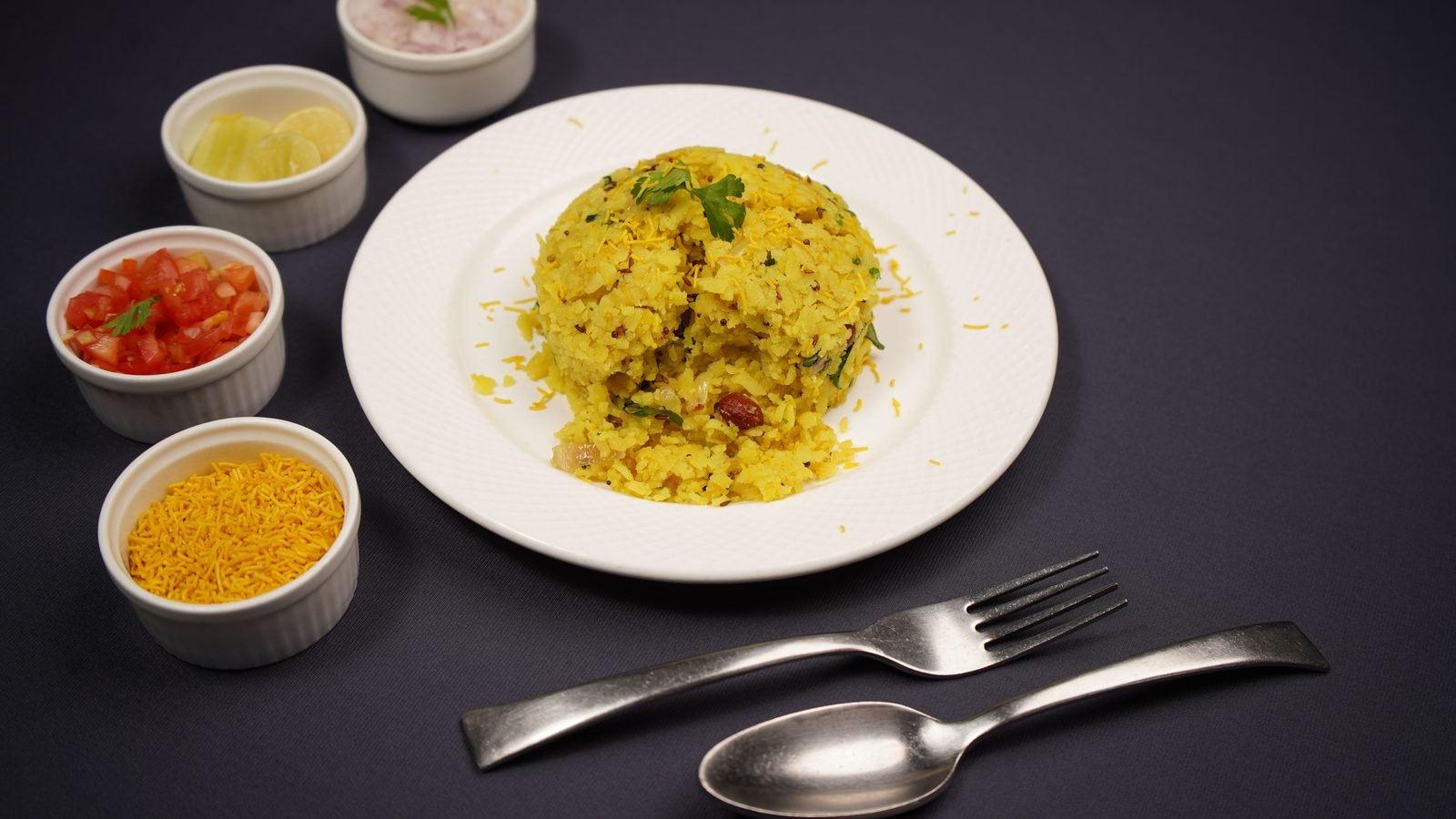
- Vegetable poha with peanuts and a boiled egg
- Idli with sambar
- Upma with vegetables
- Paneer bhurji with one roti
Skip the sugary cereals, biscuits and sweetened chai if fat loss is your goal. Those calories add up fast and don’t keep you full.
Whatever you choose, the WHO’s healthy diet advice still applies: plenty of vegetables, fruit, pulses and whole grains, and less sugar, salt and fried food across the day.
Frequently Asked Questions About Skipping Breakfast
Q: Does skipping breakfast make you gain weight?
Randomised trials don’t show that. In the BMJ review, people who skipped breakfast actually weighed slightly less, though the difference was small.
Q: Is skipping breakfast the same as intermittent fasting?
It’s one form of it. Skipping breakfast stretches your overnight fast, which is how many popular 16:8 plans work. The trials here only tested skipping breakfast, not full fasting plans.
Q: Will skipping breakfast slow my metabolism?
The Bath trial measured resting metabolism and found no change between breakfast eaters and skippers over six weeks.
Q: Should people with diabetes skip breakfast?
Not without medical advice, especially if they take insulin or tablets that lower blood sugar. Long gaps can cause low blood sugar.
The Bottom Line on Breakfast
Skipping breakfast won’t ruin your diet, and eating it won’t burn fat on its own. The trials show both work about equally for weight. Pick the routine that keeps your total food in check and your energy up, then stick with it.
Save this post for the next time someone tells you breakfast is a must, share it with your weight-loss buddy, and follow our WhatsApp channel for more honest fat-loss advice.
This article is for general information and isn’t medical advice.