
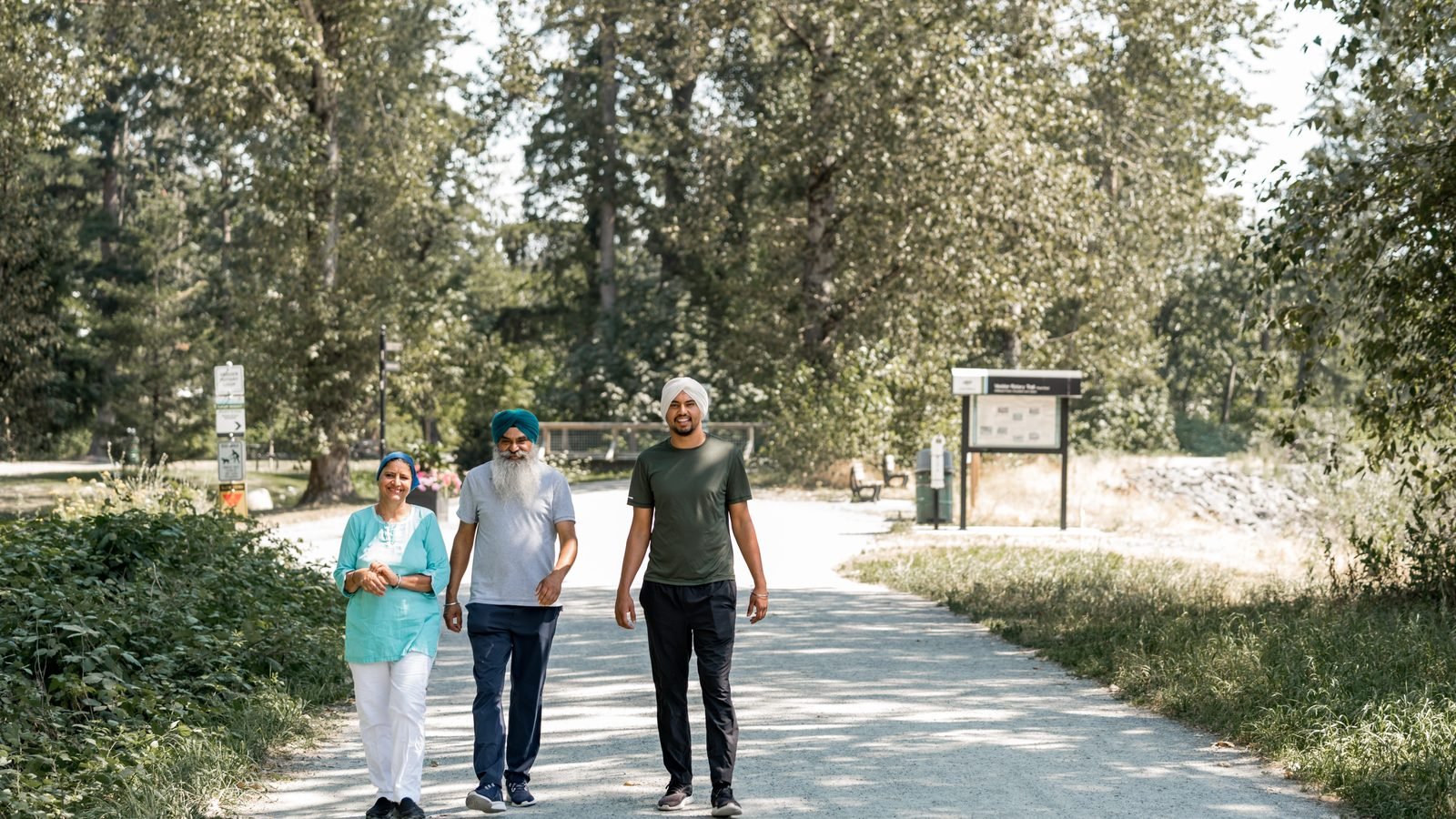
Quick answer: Start your new year fitness goal now, not on 1 January. From 25 November there are about five weeks left in 2026. Research from UCL found new habits took about 66 days on average to feel automatic, so starting today means your routine is already settling in when everyone else is just beginning. Pick one goal you can do (like “walk 30 minutes, 5 days a week”), not one you’re trying to stop, and build it up week by week.
Key takeaways
- A habit took about 66 days on average to become automatic in one well-known study, with a huge range from 18 to 254 days.
- Goals about starting something did better than goals about quitting something in a large New Year’s resolution study.
- WHO advises adults to get at least 150 minutes of moderate activity a week. That’s 30 minutes, five days a week.
- Five weeks of practice before January lets you fix problems while the stakes are low.
In this article, you’ll learn:
- Why a November start beats a 1 January start
- How to write a new year fitness goal that sticks
- A simple 5-week plan, week by week
- How to handle weddings, cold mornings and travel in December
- What to track so you know it’s working
Why Start Your New Year Fitness Goal in November?
Most people treat 1 January as the start line. The trouble is that week one of a new routine is the hardest. You’re sore, you’re figuring out timings, and you haven’t found out yet what gets in your way.
If you start on 25 November, all of that happens in late November and December. By the time 2027 begins, you’ve already had five weeks of practice. You know which time slot works, which shoes hurt, and which excuse shows up most.
There’s research behind this too. A study by Phillippa Lally and colleagues at UCL tracked people building a new daily health habit for 84 days. The UCL Health Behaviour Research blog explains that it took about 66 days on average for the behaviour to feel automatic. One person got there in 18 days; another was predicted to need 254 days. Simple habits got there faster than harder ones.
So the 21-day rule is a myth. Five weeks won’t make the habit automatic for everyone. But on 1 January your new year fitness goal will be about halfway there, if you’re close to the average.
Write a Goal You Can Actually Do
How you phrase your goal matters. A Swedish study published in PLOS ONE in 2020 followed 1,066 people for a year after they made New Year’s resolutions. The most popular ones were about physical health, weight loss and eating habits.
At the one-year mark, people with approach goals (“start doing X”) were more successful than people with avoidance goals (“stop doing Y”): 58.9% versus 47.1%. The group that got some support, like information on goal setting, also did better.
So instead of “stop being lazy” or “no more sweets”, try:
| Avoidance goal (weaker) | Approach goal (stronger) |
|---|---|
| Stop sitting so much | Walk 10 minutes after lunch and dinner |
| No more skipping workouts | Do a 20-minute home workout Mon, Wed, Fri |
| Stop eating junk at night | Eat a protein-rich dinner by 8:30 pm |
| Don’t gain weight in winter | Walk 7,000 steps on 5 days a week |
Keep it to one main new year fitness goal. Two at most. Each extra goal competes for the same time and willpower.
How Much Exercise Is Enough?
You don’t need to train like an athlete. The WHO physical activity fact sheet says adults should get at least 150 minutes of moderate-intensity activity a week, and that any amount of activity is better than none. WHO’s guidelines also recommend muscle-strengthening work on two or more days a week.
WHO also notes that about 31% of adults worldwide weren’t active enough in 2022. If you’re in that group, 150 minutes is a great target. If you’re already there, your new year fitness goal could be adding two short strength sessions.
For weight loss, food matters as much as movement. Our post on how many steps it takes to lose 1 kg a week shows why steps alone rarely do the whole job.
A 5-Week Head Start Plan
This plan suits a beginner who wants to walk more and add a little strength. Adjust the numbers to your level.
| Week | Dates (approx.) | Walking | Strength | Focus |
|---|---|---|---|---|
| 1 | 25 Nov – 1 Dec | 15–20 min, 4 days | None yet | Fix your time slot |
| 2 | 2 – 8 Dec | 20–25 min, 5 days | 1 x 15 min bodyweight | Get shoes and gear right |
| 3 | 9 – 15 Dec | 25–30 min, 5 days | 2 x 15 min | Plan for wedding days |
| 4 | 16 – 22 Dec | 30 min, 5 days | 2 x 20 min | Add a little pace or incline |
| 5 | 23 – 31 Dec | 30 min, 5 days | 2 x 20 min | Keep going through holidays |
By week five you’re at about 150 minutes of walking a week plus two strength sessions. That lines up with WHO’s guidance, and it means you walk into January already doing the thing.
A few rules for the plan:
- Same cue, same time. Lally’s study used a daily cue, like “after breakfast”. Tie your walk to something you already do.
- Missed a day? Just do the next one. One missed session isn’t failure. Two in a row is the point to reset.
- Don’t add more in week one. The goal is showing up, not burning the most calories.
Plan for December Before It Arrives
December in India is busy. Weddings, office parties, travel and cold, foggy mornings all get in the way. A November start lets you plan around them:
- Wedding days: Swap the long walk for a 10-minute walk plus dancing. Count it.
- Cold or smoggy mornings: Move the walk to the afternoon, or do an indoor session at home.
- Travel: Pack shoes, plan a 20-minute hotel-room routine, and walk after meals.
- Late nights: Shorter is fine. A 15-minute walk keeps the habit alive.
If you’re also working through the wedding season, our realistic 4-week wedding weight loss plan fits alongside this.
What to Track (Keep It Simple)
Track the habit first and results second. A paper calendar on the fridge is enough. You don’t need an app.
- Tick each day you did the planned session
- Note your weekly total minutes
- Measure your waist every two weeks, at the same time of day
- Weigh yourself once a week, same day, same time
Your phone or smartwatch step count is useful as a rough guide. Don’t chase a single day’s number; look at the weekly average.
Frequently Asked Questions About Your New Year Fitness Goal
Q: Is it too late to start a new year fitness goal in December?
No. Any start before 1 January gives you a head start. Even two weeks of practice helps you find the problems early.
Q: How long until a new workout habit feels automatic?
In the UCL study, it took about 66 days on average, with a range of 18 to 254 days. Simple habits got there faster.
Q: What’s a good first new year fitness goal for beginners?
Walking 30 minutes, five days a week, is a solid start. It adds up to WHO’s 150-minute weekly minimum.
Q: Should I set a weight-loss number as my goal?
You can, but pair it with an action goal you control, like daily walks or a protein-rich breakfast. The action is what you do each day; the number follows.
Your Head Start Begins Today
A new year fitness goal works best when it’s a habit by January, not a promise made on 31 December. Pick one approach goal, start week one today, and plan for December’s weddings and cold mornings now. Save this plan, share it with a friend who wants to start with you, and follow our WhatsApp channel for the rest of this New Year series.
This article is for general information and isn’t medical advice.