
Starting a Fitness Journey at Home Without Equipment in India
Starting a fitness journey in India doesn’t require fancy gym memberships or expensive equipment. If you’re wondering how to start home workout without equipment in India, you’re in the right place.
This complete guide will show you exactly how to begin your fitness journey from your living room, without spending a single rupee initially.
The beauty of bodyweight training? Your body is all you need. Whether you live in a cramped Mumbai flat or a Bangalore apartment, you can build strength, lose weight, and get fit using just your bodyweight. Let’s get straight to it.
Why Equipment-Free Workouts Are Perfect for Indians
Indian homes, especially in metro cities, aren’t exactly spacious. Most of us don’t have the luxury of dedicating an entire room to fitness. This is exactly why equipment-free fitness training makes perfect sense for Indian households.
No space constraints in Indian homes: You need just 6×4 feet of clear floor space to do a complete workout. That’s roughly the size of a small bedroom area or even a corner in your living room. No treadmills, no benches, no bulky equipment taking up precious space. Push-ups, squats, and planks need nothing but floor space.
Zero investment needed to start: Gym memberships in Indian cities range from ₹3,000 to ₹15,000 per month. Home gym equipment can easily cost ₹30,000 to ₹1 lakh. When you start with bodyweight exercises, your investment is literally zero. This makes fitness accessible to everyone, regardless of economic background.
Perfect for apartment living in metros: If you’ve ever lived in a Delhi, Pune, or Hyderabad apartment, you know how neighbours complain about noise. Bodyweight exercises are quieter than running on a treadmill or dropping weights. You can workout early morning or late evening without disturbing anyone. Just avoid excessive jumping if you have downstairs neighbours.
Flexibility to workout anytime: No need to travel to the gym, wait for equipment, or match your schedule to gym timings. Your workout space is always available. Want to exercise at 6 AM? Done. Prefer working out at 10 PM after work? Go ahead. This flexibility is crucial for people with irregular work schedules, which many Indians face.
Setting Up Your Home Workout Space
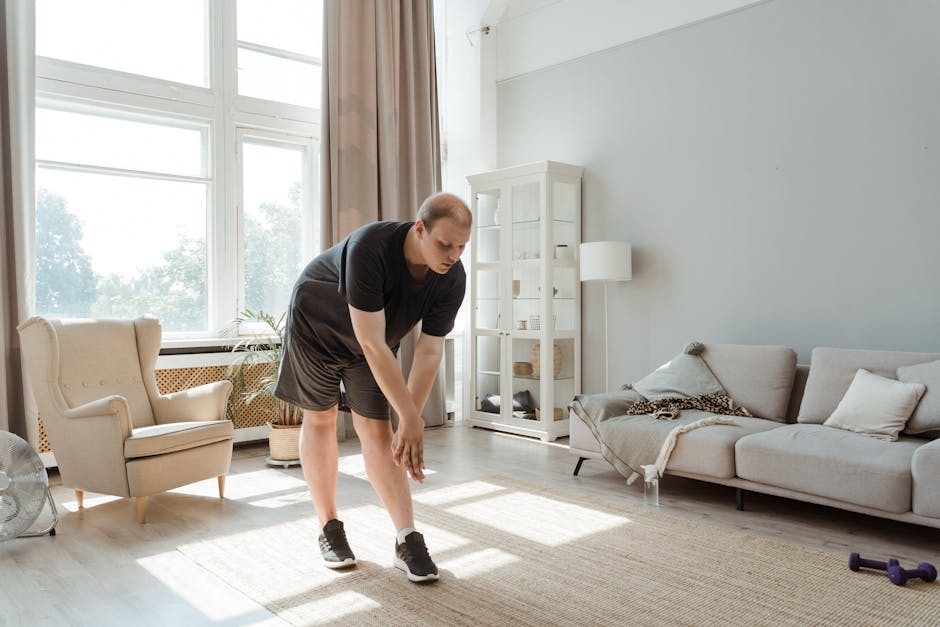
Creating a workout space at home is simpler than most people think. You don’t need to renovate or invest heavily. A few smart adjustments will do the trick perfectly.
Minimal space requirements explained: Mark out a space that’s about 6 feet by 4 feet. This is enough for lunges, burpees, and most bodyweight movements. If you live in a really small space, even a 5×3 feet area works for exercises done in one spot. Clear this area of furniture, remove any sharp objects, and ensure the floor is clean. A small balcony can also work if it has a solid floor and enough headroom.
Safety tips for Indian homes: Indian homes often have marble or tile flooring, which can be slippery. If your floor is too slippery, consider placing a thick bedsheet or towel underneath during exercises. Ensure there’s adequate ventilation, especially during summer months. Keep a water bottle nearby. If you have ceiling fans, make sure they’re high enough so you won’t hit them during jumping movements. Check that there are no loose electrical wires or switches near your workout zone.
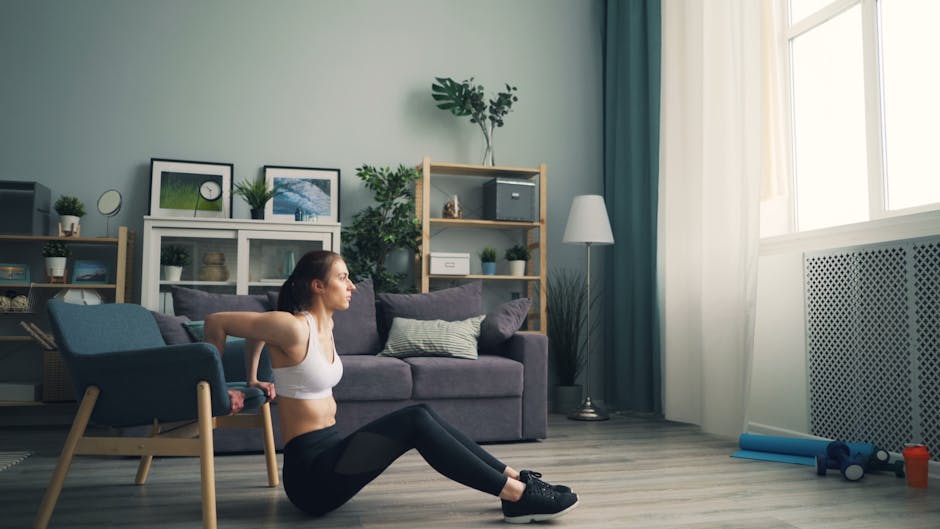
Using household items creatively: A sturdy chair can be used for tricep dips and incline push-ups. Water bottles (1-2 litre bottles) can serve as light weights. A backpack filled with books makes an excellent weighted vest for squats. A wall is perfect for wall sits and handstand progressions. Your staircase can be used for step-ups and calf raises. These household items cost nothing extra and expand your exercise options significantly.
Best Bodyweight Exercises India Beginners Should Master
Starting with the right exercises is crucial for building a strong foundation. These movements form the core of any effective free home workout routine and target all major muscle groups.
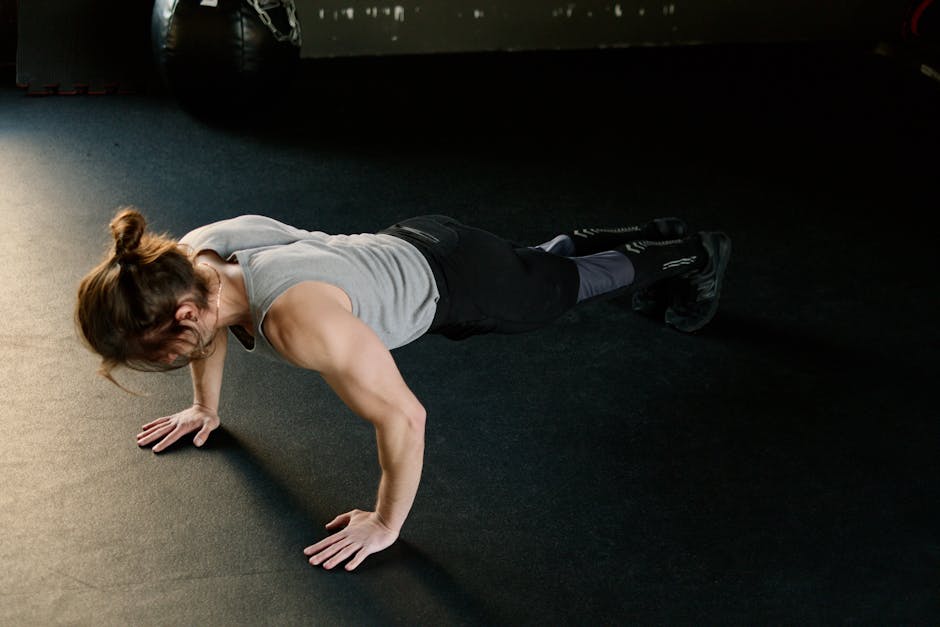
Push-ups: variations and progressions: Push-ups are the king of upper body exercises. Start with wall push-ups if regular push-ups are too difficult. Place your hands on a wall and push your body away. Once comfortable, move to incline push-ups using a sturdy chair or your bed. Regular push-ups come next. Keep your body straight, hands shoulder-width apart, and lower until your chest nearly touches the floor.
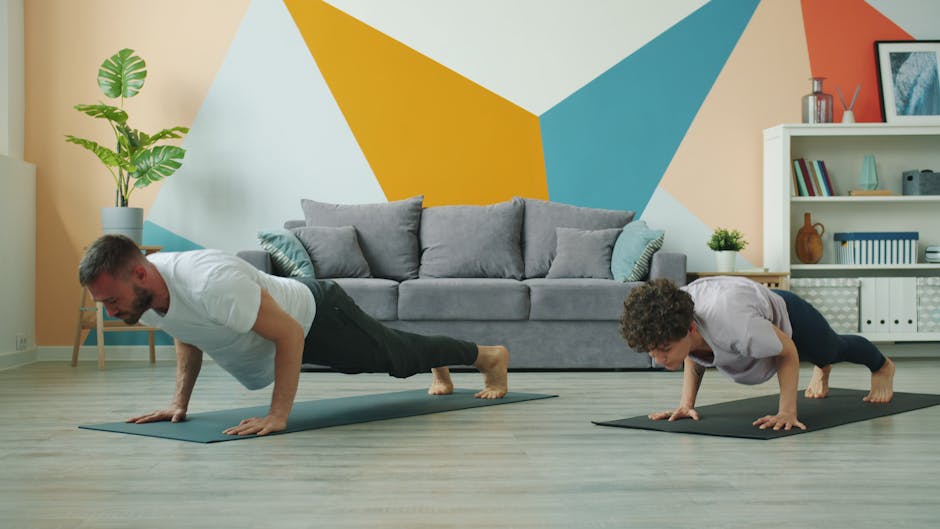
Aim for 3 sets of 5-10 reps initially. As you get stronger, try diamond push-ups (hands close together) or decline push-ups (feet elevated).
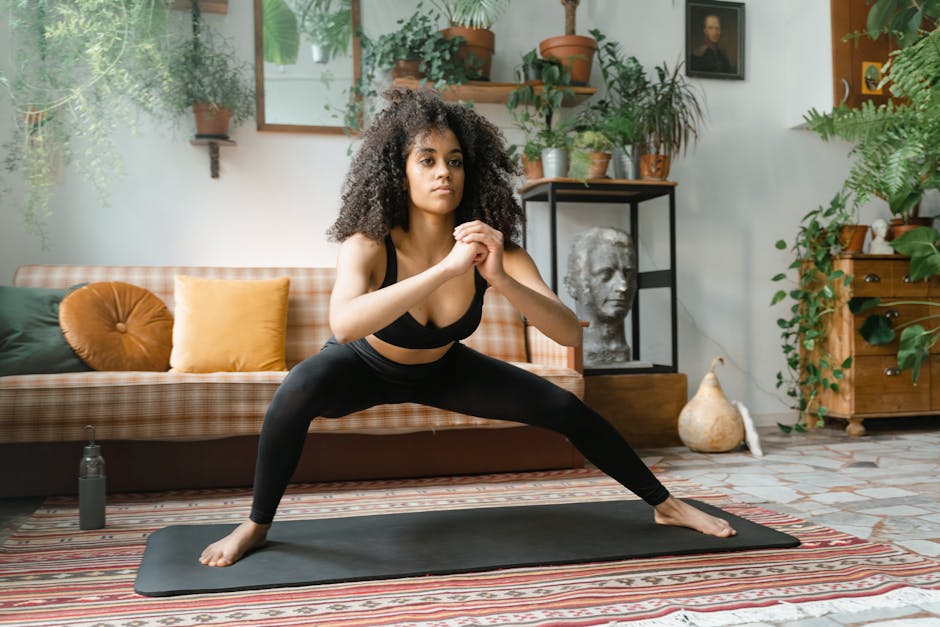
Squats and lunges for leg strength: Squats build powerful legs and glutes. Stand with feet shoulder-width apart, push your hips back like sitting on a chair, and go as low as comfortable. Keep your chest up and knees tracking over your toes. Start with 3 sets of 10-15 reps. Lunges add balance training. Step forward with one leg, lower your back knee toward the ground, then push back up. Alternate legs for 10 reps per side. These exercises are essential for functional strength and work amazingly well without any equipment.
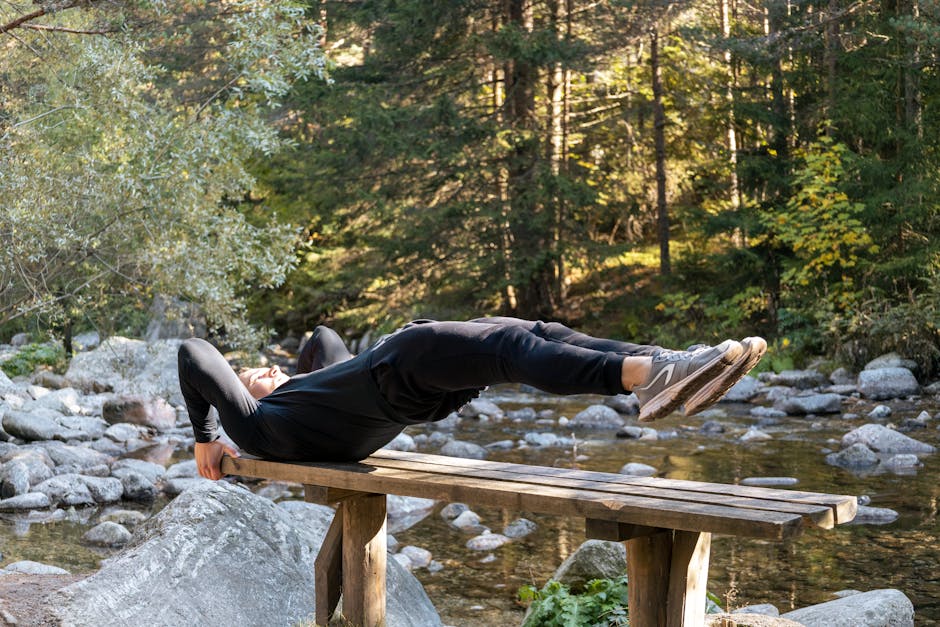
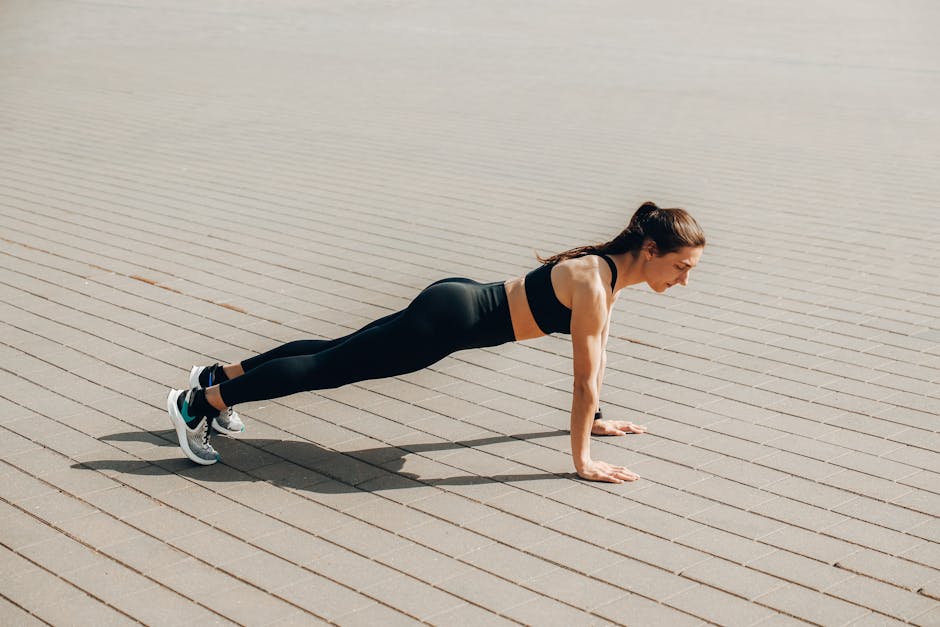
Planks and core exercises: A strong core is non-negotiable for overall fitness. The plank is simple yet brutally effective. Get into a push-up position but rest on your forearms. Keep your body straight from head to heels. Hold for 20-30 seconds initially, building up to 60 seconds. Side planks target obliques. Lie on your side, prop yourself up on one forearm, and lift your hips off the ground. Basic crunches and leg raises also strengthen your core effectively. Do 2-3 core exercises every workout.
Burpees and cardio movements: Burpees are the ultimate full-body cardio exercise. Start standing, drop into a squat, kick your legs back into a plank, do a push-up (optional for beginners), jump your feet back to your hands, and explosively jump up. They’re exhausting but incredibly effective. Start with 5-10 burpees per set. Other cardio options include high knees (running in place while bringing knees up high) and spot jogging. These get your heart rate up and burn calories efficiently.
Mountain climbers and jumping jacks: Mountain climbers combine core work with cardio. Get into a plank position and alternate bringing each knee toward your chest in a running motion. Do them for 30-45 seconds. Jumping jacks are a classic warm-up exercise. Jump while spreading your legs and raising your arms overhead, then return to starting position. These exercises require minimal space and effectively warm up your entire body before the main workout.
How to Start Home Workout Without Equipment India: Creating Your First Week Plan
Having a structured plan removes guesswork and builds momentum. Here’s exactly how to structure your first week of training at home.
3-day beginner routine structure: For beginners, three workout days per week is perfect. This allows adequate recovery while building consistency. Here’s a simple structure:
| Day | Workout Type | Key Exercises | Duration |
|---|---|---|---|
| Monday | Full Body | Push-ups, Squats, Planks | 20-30 mins |
| Tuesday | Rest/Light stretching | Gentle stretches | 10 mins |
| Wednesday | Full Body | Lunges, Mountain Climbers, Crunches | 20-30 mins |
| Thursday | Rest | Complete rest | – |
| Friday | Full Body | Burpees, Push-ups, Squats, Plank | 25-35 mins |
| Saturday | Rest/Walking | Light walk if possible | 15-20 mins |
| Sunday | Rest | Recovery day | – |
Do 3 sets of each exercise with 8-12 repetitions. Rest 60-90 seconds between sets. The entire workout takes 20-35 minutes.
Rest days and recovery importance: Rest is when your muscles actually grow and get stronger. Don’t skip rest days, especially as a beginner. Your body needs time to adapt to new stress. Sleep 7-8 hours daily. This is just as important as the workout itself. In my experience, many Indians underestimate sleep, but it’s critical for results.
Tracking progress without equipment: Keep a simple notebook or use your phone’s notes app. Write down how many reps you completed, how you felt, and any difficulties. Each week, try to add one or two more reps to each exercise. Take body measurements (chest, waist, hips, arms) every two weeks. Progress photos work better than weighing scales for tracking visual changes. Consistency beats perfection every single time.
Adjusting intensity based on fitness level: If an exercise is too hard, modify it. Cannot do regular push-ups? Do knee push-ups or wall push-ups. If it’s too easy, add more reps, reduce rest time, or slow down the movement (tempo training). Listen to your body. Muscle soreness is normal; sharp pain is not. If something hurts badly, stop and reassess your form.
Common Mistakes Indians Make Starting Home Workouts
Learning from others’ mistakes saves you months of frustration. These are the most common errors I see Indian beginners make when they start fitness without equipment at home.
Overtraining without proper recovery: Many people think more is always better. They workout six or seven days per week from day one, then burn out within a month. Your muscles need rest to grow. Overtraining leads to fatigue, poor sleep, irritability, and even injuries.
Stick to 3-4 workouts per week as a beginner. Quality matters more than quantity. If you’re extremely sore, take an extra rest day. It’s not a sign of weakness; it’s smart training.
Ignoring nutrition and diet: You can’t out-exercise a bad diet. Many Indians start working out but continue eating excessive oil, sugar, and processed foods. Or they drastically cut calories thinking it’ll speed up results, which backfires badly. Proper nutrition supports your workouts and helps you recover. Eat adequate protein (dal, eggs, chicken, paneer, curd), include vegetables, and don’t eliminate carbs completely (roti, rice give you energy). I’ll cover specific nutrition tips in detail later.
Lack of consistency and discipline: Starting with massive enthusiasm, doing intense workouts for a week, then stopping completely is a pattern I see repeatedly. Consistency beats intensity. A moderate workout done consistently for three months gives better results than intense workouts done sporadically. Set a fixed time for your workouts. Treat it like an important meeting you can’t cancel. Start small and build gradually. Even 15 minutes daily is better than nothing.
Budget-Friendly Equipment Alternatives (Optional Purchases)
While you can workout completely equipment-free forever, some affordable additions can make your routine more effective and enjoyable. These are optional but worth considering once you build consistency.
Resistance band price in India: Resistance bands are incredibly versatile and cheap. A decent set costs ₹300 to ₹800 on Amazon or Flipkart. They add resistance to bodyweight exercises and allow for dozens of additional movements. Brands like Boldfit, Fitlastics, and AmazonBasics offer good quality bands. They’re portable, take zero space, and last for years. Totally optional for beginners, but excellent once you’re comfortable with basic bodyweight exercises.
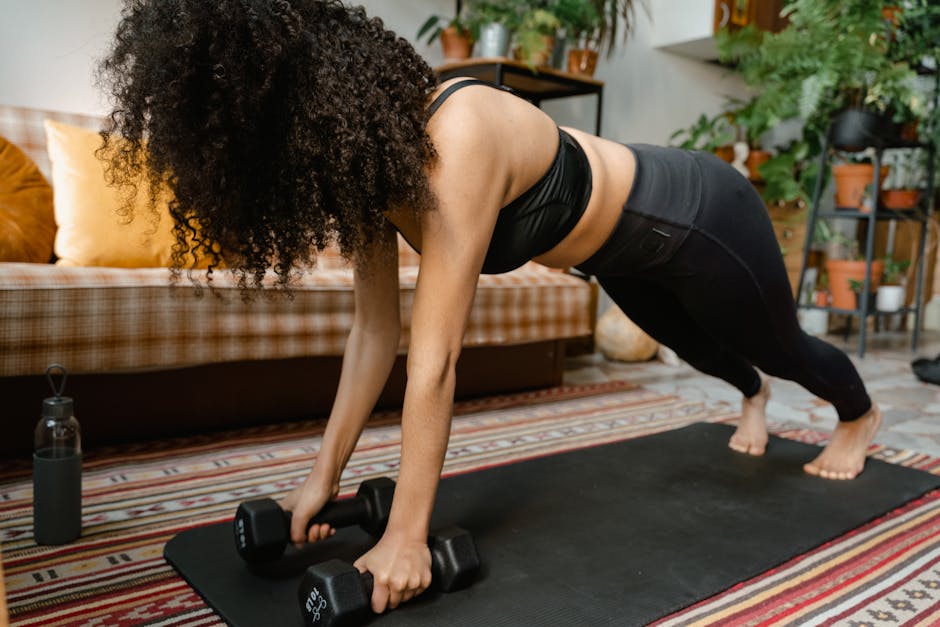
DIY weights using water bottles: Before buying a dumbbell set, use what you already have. A 1-litre water bottle weighs 1 kg when filled. A 2-litre bottle weighs 2 kg. Use these for bicep curls, shoulder presses, and weighted squats. A sturdy backpack filled with books or water bottles can add 5-10 kg for weighted push-ups and squats. According to Mayo Clinic, resistance training with any form of weight provides significant health benefits.
Yoga mat available in India under ₹500: A yoga mat isn’t essential but adds comfort, especially if you have hard or cold floor tiles. Decathlon offers excellent mats between ₹300-₹600. Amazon and Flipkart have numerous options under ₹500. Look for mats that are at least 6mm thick for cushioning. They also prevent slipping during exercises like planks and mountain climbers. A clean bedsheet works temporarily, but a mat is a worthy one-time investment if you plan to continue long-term.
Nutrition Tips to Support Your Home Workouts
Exercise is only half the equation. What you eat determines whether you’ll see results. Indian food is actually excellent for fitness if you make smart choices.
Affordable Indian protein sources: Protein rebuilds your muscles after workouts. You need roughly 0.8-1 gram per kg of bodyweight daily. Excellent Indian protein sources include: eggs (₹5-7 per egg, roughly 6g protein), dal and rajma (₹100-150 per kg, 20-25g protein per 100g cooked), chicken breast (₹200-300 per kg, 30g protein per 100g), paneer (₹300-400 per kg, 18g protein per 100g), curd and Greek yogurt, soya chunks (cheap and protein-rich), and peanuts. You don’t need expensive protein powders to build muscle. Real food works brilliantly.
Pre and post-workout meal ideas: Eat a light meal 1-2 hours before working out. Good options include a banana with peanut butter, a small bowl of oats, or a roti with egg. This gives you energy without making you feel heavy.
After your workout, eat within 60-90 minutes. Good post-workout meals include dal-rice, egg bhurji with roti, chicken and vegetables, paneer with chapati, or curd with fruits. The combination of protein and carbs helps recovery.
Hydration in Indian climate: Indians often don’t drink enough water, which hampers workout performance and recovery. The Centers for Disease Control and Prevention emphasizes proper hydration for optimal health. Drink water throughout the day, not just during workouts. Aim for 2.5-3 litres daily, more if you sweat heavily or live in hot regions. Keep a water bottle near your workout space. Add a pinch of salt and lemon if you’re sweating excessively, to replace electrolytes.
Staying Motivated: Indian Home Workout Tips
Motivation fades, but systems keep you going. Here’s how to stay consistent with your equipment-free fitness training without depending on daily motivation.
Finding accountability partners online: Join Indian fitness communities on Reddit (r/FitnessIndia), WhatsApp groups, or Telegram channels. Share your progress, ask questions, and get support from people on similar journeys. Having someone to report to increases commitment significantly. Find a friend or family member who also wants to get fit and check in with each other daily. Accountability converts motivation into action. Even a simple “Did you workout today?” message from a friend helps.
Using free Indian fitness apps: Several free apps help structure your workouts and track progress. Home Workout by Leap Fitness is excellent and completely free with Indian language support. FitOn offers free guided workouts. YouTube channels like Cult Fit, FitnessBlender, and Athlean-X provide free structured programs. Set reminders on your phone for workout times. Use a simple habit tracker app to mark each completed workout. Seeing a streak of completed workouts motivates you to keep going.
Setting realistic goals and milestones: Don’t aim to transform in 30 days. Set small, achievable goals. Week 1: Complete three workouts. Week 2: Add two more reps to each exercise. Month 1: Workout consistently 12 times. Month 3: Do 20 proper push-ups.
Small wins build momentum. Celebrate these victories. Take progress photos monthly. Measurements and photos show progress better than the weighing scale, which fluctuates due to water weight and other factors. Most people miss this—focus on how you feel, your energy levels, and strength improvements rather than just the number on the scale.
Comparison: Traditional Gym vs Home Workout Without Equipment
| Factor | Traditional Gym | Home Workout (No Equipment) |
|---|---|---|
| Monthly Cost | ₹3,000 – ₹15,000 | ₹0 |
| Space Needed | Full gym facility | 6×4 feet floor space |
| Travel Time | 20-60 minutes daily | Zero |
| Workout Time | 60-90 minutes | 20-40 minutes |
| Privacy | Shared space | Complete privacy |
| Trainer Support | Usually available | DIY / Online resources |
| Equipment Variety | Extensive | Your bodyweight only |
| Flexibility | Fixed timings | Anytime 24/7 |
Frequently Asked Questions
Can I build muscle with only bodyweight exercises at home?
Absolutely yes. Bodyweight exercises can build significant muscle, especially for beginners. Push-ups, pull-ups, squats, and their variations create enough resistance for muscle growth. You might plateau after 1-2 years of training, but initially, bodyweight training builds muscle very effectively. Progressive overload (gradually increasing difficulty) is key.
How long should my home workout be?
For beginners, 20-30 minutes is perfect. As you get fitter, you can extend to 40-45 minutes. Quality matters more than duration. A focused 25-minute workout beats a distracted 60-minute session. Include warm-up and cool-down time in your total workout duration.
Do I need to workout every day?
No. Your muscles grow during rest, not during workouts. For beginners, 3-4 days per week is ideal. As you advance, you can increase to 4-5 days. Always include at least 2 complete rest days weekly. Listen to your body—if you’re exhausted, take an extra day off.
What’s the best time to workout at home in India?
The best time is whenever you can consistently workout. Early morning (5-7 AM) works well before the day gets busy and before it gets too hot. Evening (6-8 PM) after work is also popular. Avoid working out immediately after meals—wait at least 1-2 hours. Pick a time that fits your schedule and stick to it.
How much weight can I lose with home workouts?
Weight loss depends 70% on diet and 30% on exercise