
Fitness Tracker vs Smartwatch: Which Is Better for Health in India?
If you’re confused about fitness tracker vs smartwatch which is better for health, you’re not alone. Thousands of Indians face this exact question every day when shopping online or visiting electronics stores. Both devices promise to improve your health, but they work differently and suit different needs.
Let me break down everything you need to know to make the right choice.

Fitness Tracker vs Smartwatch: Core Differences Explained
The smartwatch vs fitness band comparison is not as straightforward as most people think. These devices might look similar on your wrist, but they serve different purposes and come with distinct advantages.
What exactly is a fitness tracker?
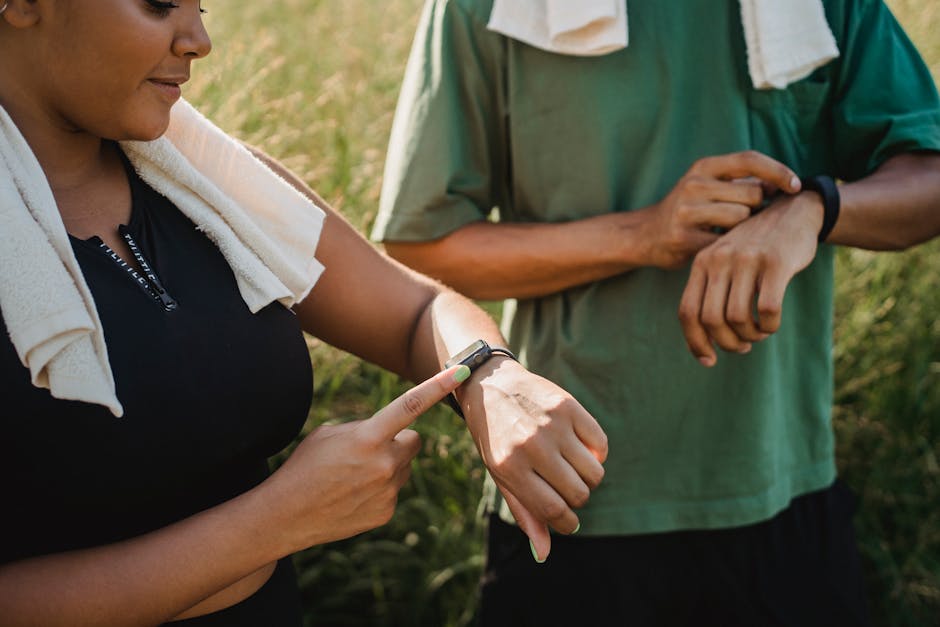
A fitness tracker, also called a fitness band, is a wearable device designed specifically to monitor your physical activity and health metrics. Think of it as your dedicated health companion that keeps track of steps, heart rate, sleep patterns, and calories burned throughout the day.
Most fitness trackers are lightweight, slim, and focus solely on health-related features. They don’t distract you with notifications, apps, or fancy features. Brands like Xiaomi Mi Band, Fitbit, and Noise offer popular options in India. The best fitness tracker India 2025 models come with long battery life, accurate sensors, and simple interfaces that anyone can understand within minutes.
What does a smartwatch do differently?
A smartwatch is essentially a mini smartphone on your wrist.
Yes, it tracks your health and fitness, but that’s just one part of what it offers. You can receive calls, reply to messages, control music, use apps, make payments, and even take photos remotely. Popular smartwatches in India include Apple Watch, Samsung Galaxy Watch, and affordable options like Noise, boAt, and Fire-Boltt.
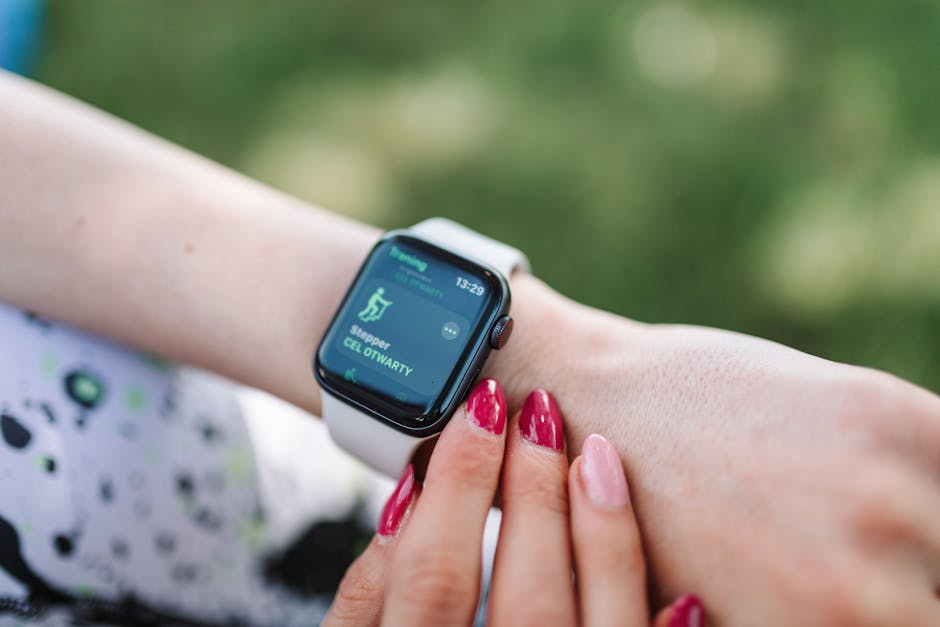
They run on operating systems like WatchOS, WearOS, or proprietary software that supports third-party apps. The display is usually bigger and more vibrant than fitness trackers.
Key hardware differences you should know
The hardware gap between these devices is significant.
Fitness trackers typically have smaller OLED or LCD displays, basic processors, and minimal RAM since they run simple software. Smartwatches pack more powerful processors, higher RAM (1GB or more), and advanced displays with touch sensitivity and always-on features.
Fitness trackers use Bluetooth for connectivity and sync data with your smartphone app. Smartwatches offer Bluetooth, WiFi, and sometimes even cellular connectivity for standalone usage. Storage is another difference – fitness trackers need minimal storage while smartwatches include 4GB to 32GB for apps, music, and photos.
Sensor quality varies too. Premium smartwatches often include more accurate optical heart rate sensors, GPS chips, gyroscopes, and barometers. Budget fitness trackers might compromise on sensor accuracy to keep costs low.
Health Tracking Capabilities: Head-to-Head Comparison
When determining which is better fitness tracker or smartwatch for health monitoring, you need to understand how each device performs specific health tracking functions. This is where things get interesting.
Heart rate monitoring and accuracy
Both devices monitor your heart rate using optical sensors that shine light into your skin and measure blood flow. However, accuracy differs based on sensor quality and algorithm sophistication.
Premium smartwatches like Apple Watch and Samsung Galaxy Watch use medical-grade sensors with higher accuracy rates. According to research published by the National Institutes of Health, quality wearables can achieve 95%+ accuracy for resting heart rate. Fitness trackers, especially budget models under ₹2,000, might show variations of 5-10 beats per minute during intense workouts.
For regular health monitoring and casual exercise, both work fine. But if you have specific cardiac concerns or train seriously, invest in a device with proven sensor accuracy.
Sleep tracking and quality analysis
Sleep tracking is where fitness trackers actually shine.
Since they’re lighter and more comfortable, many people find them better for overnight wear. Devices like Fitbit Inspire and Xiaomi Smart Band 8 provide detailed sleep stage analysis (light, deep, REM sleep) and sleep scores.
Smartwatches track sleep too, but the experience differs. Apple Watch now includes detailed sleep stage tracking, but its battery life means you need to charge it at some point during the day. Samsung and other Android smartwatches offer solid sleep tracking with additional insights like snoring detection and blood oxygen monitoring during sleep.
Step counting and calorie burn estimation
Step counting accuracy depends more on placement and algorithms than device type. Both fitness trackers and smartwatches count steps reasonably well during normal walking. Problems arise during activities like cycling, weight training, or when you’re moving your arms without walking.
Calorie burn estimation is notoriously inaccurate across all wearables. These devices use formulas based on your age, weight, height, heart rate, and movement patterns. Even the best devices can be off by 20-30% according to various studies. Take calorie numbers as rough estimates, not precise measurements.
Blood oxygen (SpO2) and stress level monitoring
Most modern fitness trackers and smartwatches now include SpO2 sensors to measure blood oxygen levels. This became especially popular after 2020 when people wanted to monitor respiratory health at home.
The readings are fairly accurate for general wellness tracking but should not replace medical devices for diagnostic purposes.
Stress monitoring uses heart rate variability (HRV) to estimate your stress levels. Smartwatches typically offer more sophisticated stress tracking with guided breathing exercises and detailed analytics. Fitness trackers provide basic stress scores and simple relaxation reminders.
Women’s health tracking features
Both device types now include menstrual cycle tracking, fertility window predictions, and symptom logging. You manually input your period dates and the device predicts upcoming cycles and fertile days. Some advanced smartwatches can detect cycle patterns through temperature sensors, though this feature is still evolving.
Pregnancy tracking is available on some smartwatch apps but remains limited on basic fitness trackers. If women’s health tracking is your priority, check whether the companion app (not just the device) offers comprehensive features.
Battery Life, Design, and Daily Wearability
The battery life and comfort factor often determine whether you’ll actually wear the device consistently or let it sit in a drawer.
Real talk – the best device is the one you’ll actually use every day.
Battery endurance: which lasts longer?
Fitness trackers win this category hands down.
Most fitness bands deliver 7-14 days of battery life with regular use. The Xiaomi Mi Band series famously lasts 10-15 days, while Fitbit Charge models go for about a week. You charge them once, forget about them, and focus on your health.
Smartwatches drain battery faster because of their larger displays, powerful processors, and constant connectivity. Apple Watch typically lasts 1-2 days depending on usage. Android smartwatches like Samsung Galaxy Watch offer 2-3 days with moderate use. Budget affordable smartwatch India options claim 5-7 days, but with always-on display and continuous health tracking, expect 3-4 days realistically.
If you travel frequently or forget to charge devices regularly, fitness trackers make more sense.
Design and comfort for all-day wear
Fitness trackers are lightweight (usually 15-30 grams) with slim profiles and flexible silicone bands. You barely notice them on your wrist during sleep, workouts, or daily activities. They look sporty and casual, which might not suit formal occasions.
Smartwatches are bulkier (30-60 grams) with thicker designs to accommodate bigger batteries and components. However, they look more like traditional watches and work better with formal attire. You can swap bands easily – leather for meetings, silicone for gym.
Comfort is subjective. Try wearing both types before buying if possible. In my experience, some people find smartwatches too heavy for sleep tracking, while others feel fitness trackers look too casual for office wear.
Water resistance and durability
Most modern fitness trackers offer 5ATM water resistance, meaning they can handle swimming, showers, and rain without issues. They’re built tough with simple construction and fewer vulnerable points.
Smartwatches also provide water resistance (typically 5ATM or IP68), but their complex components make them slightly more fragile. Touchscreens can crack if you knock them hard against surfaces. That said, premium smartwatches use Gorilla Glass and metal bodies that withstand daily abuse well.
For serious swimmers or water sports enthusiasts, check specific swim tracking features and saltwater compatibility, not just water resistance ratings.
Display quality and visibility in sunlight
Fitness trackers usually have smaller displays (0.96″ to 1.56″) with basic OLED or LCD panels. They show essential information clearly but offer limited color reproduction and brightness. Outdoor visibility varies – OLED displays can struggle in direct sunlight.
Smartwatches feature larger, brighter displays (1.3″ to 1.9″) with AMOLED technology, higher resolutions, and better sunlight visibility. You can read messages, view photos, and navigate maps comfortably. Some premium models include always-on displays that show time continuously without raising your wrist.
If you spend significant time outdoors or need to check your device frequently in bright sunlight, smartwatch displays perform better.
Price vs Features: What You Get in India
The Indian market offers incredible variety across price segments. Let me break down what you can realistically expect at different price points in 2025.
Budget fitness trackers under ₹2,000
This segment is dominated by Indian brands and Chinese manufacturers. You’ll find options from Noise, boAt, Xiaomi, Realme, and Titan.
At this price, expect basic step counting, heart rate monitoring, sleep tracking, and 7-10 days battery life.
The Noise ColorFit series and Xiaomi Mi Band variants offer the best value. You get decent accuracy for casual fitness tracking, smartphone notifications, and water resistance. Don’t expect advanced features like GPS, music storage, or precise workout analysis.
These devices work perfectly for beginners who want to build healthy habits without significant investment. You can track daily activity, monitor sleep patterns, and get movement reminders that actually help.
Mid-range smartwatches ₹5,000 to ₹15,000
This sweet spot offers excellent smartwatches with comprehensive features. Brands like Amazfit, Realme Watch, Samsung Galaxy Fit series, and premium Noise models compete here.
You get larger displays, more workout modes, built-in GPS, music playback, and 5-7 days battery life.
The fitness tracker health benefits at this range match or exceed basic fitness trackers, plus you gain smartwatch convenience. Answer calls from your wrist, control smart home devices, use voice assistants, and install additional apps.
For most Indians, this range offers the best balance between price and functionality. You’re not paying premium brand taxes but still getting reliable health tracking and useful smart features.
Premium options and whether they’re worth it
Above ₹15,000, you enter Apple Watch, Samsung Galaxy Watch, and Garmin territory. These devices offer medical-grade sensors, ECG monitoring, advanced running dynamics, detailed recovery metrics, and premium build quality.
Are they worth it? If you’re a serious athlete, have specific health concerns, or value ecosystem integration (especially with iPhone), yes. Apple Watch provides the most accurate health tracking available in consumer devices and seamless iPhone integration.
For casual fitness enthusiasts, the premium price feels excessive. A ₹40,000 Apple Watch doesn’t make you 10 times healthier than a ₹4,000 Amazfit. You pay for refinement, brand value, and advanced features that most people rarely use.
Best Indian brands vs international options
Indian brands like Noise, boAt, and Fire-Boltt dominate the budget segment with aggressive pricing and decent quality. They understand Indian preferences – longer battery life, bright colorful displays, and affordability matter more than premium materials.
International brands like Fitbit, Garmin, and Apple offer superior accuracy, better software support, longer product lifecycles, and established reputations. Their customer service and warranty support typically work better too.
Consider Indian brands for budget purchases where you might upgrade in 1-2 years anyway. Invest in international brands if you want devices that last 3-5 years with consistent software updates and reliable after-sales support.
Here’s a practical comparison table to help you decide:
| Feature | Fitness Tracker | Smartwatch |
|---|---|---|
| Primary Focus | Health & fitness tracking | Smart features + health tracking |
| Battery Life | 7-14 days | 1-4 days |
| Display Size | 0.96″ – 1.5″ | 1.3″ – 1.9″ |
| Price Range (India) | ₹1,500 – ₹8,000 | ₹3,000 – ₹50,000 |
| Weight | 15-30g | 30-60g |
| Call/Message Handling | Notifications only | Can answer calls & reply |
| GPS Accuracy | Basic or none | Better, often built-in |
| App Ecosystem | Limited | Extensive |
| Water Resistance | 5ATM standard | 5ATM standard |
| Best For | Dedicated fitness tracking | All-round functionality |
Which Should You Choose? Final Verdict for Your Health Goals
After comparing everything, the question remains: which is better fitness tracker or smartwatch for your specific situation? Let me give you honest recommendations based on different scenarios.
Choose a fitness tracker if…
You primarily care about tracking your physical activity, sleep, and basic health metrics without distractions. Fitness trackers excel at their core purpose – helping you understand and improve your health habits consistently.
Pick a fitness tracker if you need exceptional battery life that lasts over a week. If you’re traveling, camping, or simply hate charging devices frequently, fitness bands make life easier.
Their lightweight design means you’ll actually wear them to bed for sleep tracking, unlike heavier smartwatches that people often remove at night.
Budget-conscious buyers should consider fitness trackers first. You can get excellent health tracking for under ₹3,000 from brands like Xiaomi, Fitbit Inspire, or Noise. The money you save can go towards a gym membership, running shoes, or healthy food – things that impact your health more than expensive gadgets.
Athletes focused on specific sports like running, cycling, or swimming might prefer dedicated fitness trackers from Garmin or Polar. These devices offer advanced training metrics, detailed performance analysis, and sport-specific features that general smartwatches lack.
Choose a smartwatch if…
You want one device that handles both health tracking and smartphone connectivity.
Smartwatches make sense when you need to check messages, take calls, control music, and monitor health without constantly pulling out your phone. According to research from Harvard Medical School, reducing phone checking behavior can decrease stress and improve focus throughout the day.
If you’re already invested in an ecosystem (Apple, Samsung), the corresponding smartwatch integrates seamlessly. Apple Watch works magically with iPhone, unlocking your Mac, finding your phone, and syncing data across devices effortlessly. Similarly, Samsung Galaxy Watch offers superior integration with Samsung phones.
Smartwatches suit professionals who appreciate the convenience of discrete notifications during meetings, contactless payments while shopping, and the ability to respond quickly without seeming rude by checking phones constantly.
Fashion-conscious users prefer smartwatches because they look like actual watches. You can dress them up with different bands and watch faces to match various outfits and occasions. A fitness tracker always looks sporty and casual, while smartwatches adapt to your style.
Top recommended picks for Indians in 2025
For the best fitness tracker India 2025, I recommend the Xiaomi Smart Band 8 (around ₹2,500) for its brilliant AMOLED display, 16-day battery life, and accurate tracking. If you can stretch your budget, the Fitbit Charge 6 (around ₹10,000) offers superior accuracy and an excellent app experience with detailed health insights.
In the affordable smartwatch India category, the Amazfit GTS 4 Mini (around ₹7,000) delivers outstanding value with built-in GPS, comprehensive health features, and 5-7 days battery life. For those wanting premium quality without Apple pricing, the Samsung Galaxy Watch 6 (starting ₹25,000) provides excellent health tracking, beautiful design, and proper smartwatch functionality.
Budget buyers should check Noise ColorFit Pro 4 (under ₹3,000) for basic smartwatch features or stick with Realme Band 2 (under ₹2,000) for dedicated fitness tracking. Both Indian brands offer decent quality at aggressive prices with widespread availability and service centers across India.
iPhone users who can afford it should simply get an Apple Watch SE (starting ₹29,900) or wait for offers on older Apple Watch Series. Nothing else integrates as smoothly with iOS, and the health tracking accuracy justifies the premium if you’ll use it daily for years.
Frequently Asked Questions
Can a fitness tracker replace a smartwatch for health monitoring?
Yes, absolutely. Fitness trackers often match or exceed smartwatches in core health monitoring features like heart rate, sleep, steps, and blood oxygen tracking. However, smartwatches offer additional health features like ECG, fall detection, and irregular heart rhythm notifications that fitness trackers typically lack. For basic health monitoring, fitness trackers work perfectly fine and often provide longer battery life for continuous tracking.
Which is more accurate for counting steps and calories?
Neither device type is significantly more accurate than the other for step counting – accuracy depends more on sensor quality and algorithms than whether it’s a fitness tracker or smartwatch. Both can count steps within 90-95% accuracy during normal walking. Calorie burn estimation remains approximate across all wearables, typically within 20-30% accuracy. Most people miss this, but premium devices from brands like Apple, Garmin, and Fitbit generally provide better accuracy than budget options regardless of category.
Do I need a smartphone to use a fitness tracker or smartwatch?
Most fitness trackers and smartwatches require a smartphone for initial setup and full functionality. They sync data to companion apps on your phone where you can view detailed analytics and adjust settings. However, they continue tracking your activity, heart rate, and steps independently even when not connected. Some premium smartwatches with cellular connectivity can work standalone for calls and messages, but this feature is rare and expensive in India.
Which device is better for swimming and water sports?
Both fitness trackers and smartwatches with 5ATM water resistance can handle swimming and water sports safely. Devices specifically designed for swimming like Garmin Swim series or Apple Watch offer dedicated swim tracking with lap counting, stroke recognition, and SWOLF scores. Budget fitness trackers can survive swimming but may not provide detailed swim metrics. Always check whether the device supports swim tracking actively, not just water resistance.
How long do these devices typically last before needing replacement?
Fitness trackers typically last 2-3 years before battery degradation or wear-and-tear makes replacement necessary. Smartwatches can last