
Quick answer: A smartwatch ECG records a single-lead tracing for about 30 seconds and mainly checks for one thing: atrial fibrillation (AFib), an irregular heart rhythm. It can’t detect a heart attack, a blood clot, a stroke, high blood pressure or heart failure. A “normal” result only describes those 30 seconds. If you have chest pain or feel unwell, call emergency services (112 in India) instead of taking a reading.
Key takeaways
- A smartwatch ECG is built to spot signs of AFib, not every heart problem.
- Apple says plainly that its ECG app can’t detect a heart attack, blood clots or a stroke.
- In India, Apple’s ECG app arrived in 2019, and Samsung’s ECG feature got CDSCO clearance in January 2024.
- Use it to record symptoms and share a PDF with your doctor, not to rule out a problem.
In this article, you’ll learn:
- What a smartwatch ECG actually measures
- What each result means, from “sinus rhythm” to “inconclusive”
- What the reading can’t tell you
- How it compares with a hospital ECG
- When a smartwatch ECG is worth having
What a Smartwatch ECG Actually Measures
An electrocardiogram (ECG) records the electrical signals that make your heart beat. In a hospital, stickers go on your chest, arms and legs. On a watch, the circuit is much simpler.
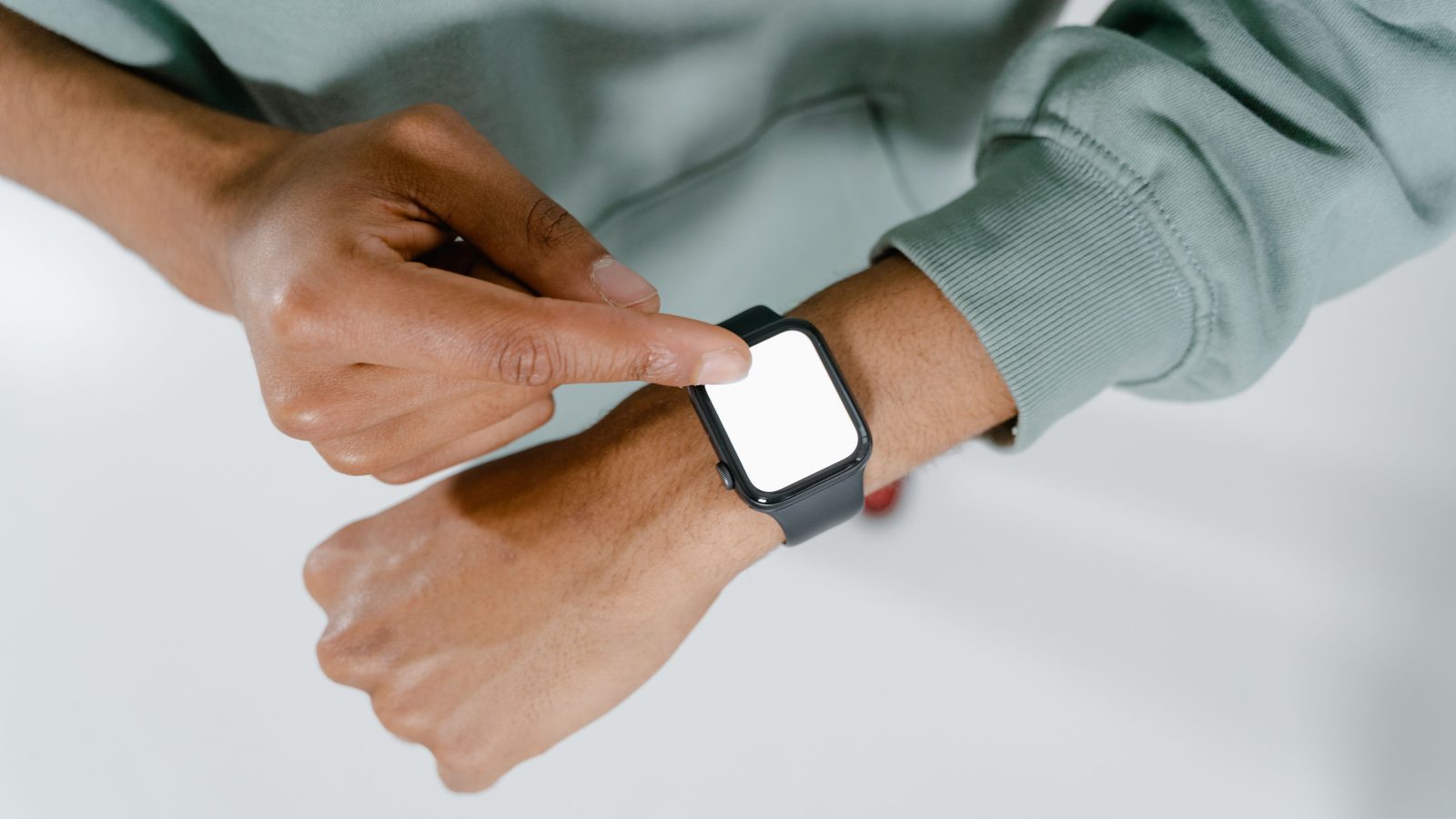
With an Apple Watch, you open the ECG app and hold a finger on the Digital Crown for 30 seconds. Apple’s 2019 India announcement describes this as similar to a single-lead reading. Electrodes in the back of the watch and in the crown complete the circuit through your body.
Samsung works in a similar way. Its ECG runs through the Samsung Health Monitor app. You stay still for about 30 seconds while the watch records.
So a smartwatch ECG gives you one view of the heart’s rhythm, from one angle, for half a minute. That’s useful, but it’s narrow.
Smartwatch ECG Results: What Each One Means
Apple’s ECG support page lists the results you can get. Samsung’s classifications are broadly similar, though the wording differs.
| Result | What it means | What it doesn’t mean |
|---|---|---|
| Sinus rhythm | The heart beat in a uniform pattern between 50 and 100 BPM during the recording | That you’re healthy. Apple says so directly |
| Atrial fibrillation | An irregular rhythm that looks like AFib | A diagnosis. A doctor needs to confirm it |
| Low or high heart rate | Under 50 BPM, or above 120 or 150 BPM depending on the app version, which makes AFib checks unreliable | Something is necessarily wrong. Fitness, medicines, exercise or stress can cause it |
| Inconclusive | The recording couldn’t be sorted | That the watch found a problem |
| Poor recording | Signal quality was too weak (newer app version) | Anything about your heart |
A few things can cause “inconclusive” results, according to Apple. These include a pacemaker or implanted defibrillator, other rhythm problems the app isn’t designed to recognise, and poor signal. Apple suggests resting your arms on a table, keeping the watch snug and clean, and staying away from plugged-in electronics while you record.
Why AFib Is the Main Target
Atrial fibrillation matters because it’s common and easy to miss. The NHS page on atrial fibrillation describes it as a heart rhythm problem where the heartbeat isn’t steady.
Symptoms can include:
- An irregular pulse
- Pounding, racing, fluttering or skipped beats
- Tiredness, breathlessness or dizziness
- Chest tightness or lower exercise tolerance
Some people have no symptoms at all and only find out during a routine check. A smartwatch ECG is meant to catch some of those quiet cases.
The reason doctors take AFib seriously is that it can lead to blood clots, stroke and heart failure, the NHS says. Treatment such as anticoagulant medicine lowers that risk. So catching it early has real value.
What a Smartwatch ECG Can’t Tell You
This is the part most people miss. Apple’s support page states that the ECG app can’t detect:
- A heart attack
- Blood clots or a stroke
- High blood pressure
- Congestive heart failure
- High cholesterol
- Other arrhythmias it isn’t designed to recognise
There’s also an age limit. Apple says the ECG app isn’t intended for people under 22.
The most dangerous mistake is taking a reading during chest pain, seeing “sinus rhythm,” and deciding to wait it out. A heart attack can happen with a normal rhythm. Apple tells users with chest pain, pressure or tightness to call emergency services right away. In India, that’s 112, or 108 for an ambulance in most states.
If your watch also shows blood pressure, that’s a separate feature with its own limits. Our guide on smartwatch blood pressure accuracy explains why it needs a cuff for calibration.
Smartwatch ECG vs Hospital ECG
A hospital ECG usually uses 12 leads, which means 12 different electrical views of the heart from 10 stickers. That’s how doctors spot signs of a heart attack, thickened heart walls and many rhythm problems.
| Smartwatch ECG | Hospital 12-lead ECG | |
|---|---|---|
| Views of the heart | One | Twelve |
| Recording time | About 30 seconds | A short recording at the clinic |
| Main use | Checking for AFib | Wide range of heart problems |
| Who reads it | An algorithm, then your doctor if you share it | A doctor or trained technician |
| Can rule out a heart attack | No | Helps doctors assess it |
| When it’s taken | Any time you feel symptoms | Only when you’re at the clinic |
The watch’s advantage is timing. A hospital ECG captures a few seconds on the day you visit. A smartwatch ECG can capture a fluttering episode at 11 pm on a Sunday, when the symptom is actually happening. That recording is what makes it worth having.
Which Watches Have ECG in India
Two big names have ECG features with clear Indian approval history:
- Apple Watch: The ECG app arrived in India on 19 September 2019 for Series 4 and later, as per Apple’s announcement.
- Samsung Galaxy Watch: Samsung rolled out ECG and blood pressure tracking in India in January 2024, after clearance from the Central Drugs Standard Control Organisation, as reported by Business Today. It started with the Watch6 series and extended to Watch4 and Watch5. The Samsung Health Monitor app needs a Samsung Galaxy phone running Android 9 or later.
Other brands may advertise “ECG” or heart health features. Before you pay extra for one, check whether the brand states regulatory clearance for that feature in India, and whether it works with your phone.
Prices change often, but watches with an ECG feature usually cost far more than basic fitness bands. If you’re mainly tracking steps and workouts, see our guide to the best smartwatch for gym beginners first.
How to Use a Smartwatch ECG Well
If you already own one, a few habits make the readings more useful:
- Record when you feel something. Palpitations, a racing heart at rest, or a skipped-beat feeling are the best times to take a reading.
- Sit still with your arm resting. Movement and a loose strap cause poor recordings.
- Note your symptoms. Both Apple and Samsung let you add symptoms to the record.
- Share the PDF. Apple lets you export a PDF for your doctor. A cardiologist can look at the actual tracing, not just the label.
- Don’t chase numbers. Taking 20 readings a day when you feel fine adds worry, not information.
Also keep an eye on longer trends. If your watch shows your resting heart rate rising for weeks, that’s worth mentioning to your doctor too.
Who Gets the Most From a Smartwatch ECG
A smartwatch ECG makes most sense for:
- People over 40 with palpitations that come and go
- Anyone whose doctor has asked them to record episodes
- People with risk factors such as high blood pressure, diabetes or a family history of heart rhythm problems, after talking to their doctor
It makes less sense if you’re young, have no symptoms, and want the watch for workouts. In that case, you’re paying for a feature you may rarely use.
Frequently Asked Questions About Smartwatch ECG
Can a smartwatch ECG detect a heart attack?
No. Apple states its ECG app can’t detect a heart attack. A heart attack can happen while the rhythm looks normal. If you have chest pain, pressure or tightness, call 112 or 108 straight away.
Is a smartwatch ECG accurate?
It’s designed for one job: flagging possible AFib during a good, still recording. Samsung’s version got CDSCO clearance in India for that use. But it’s one lead for 30 seconds, so it can miss problems and can return inconclusive results. A doctor should confirm any AFib result.
Does “sinus rhythm” mean my heart is healthy?
No. It only means your heart beat in a regular pattern between 50 and 100 BPM during that recording. Apple’s own wording says it doesn’t mean you’re healthy.
Can I use a smartwatch ECG if I’m under 22?
Apple says its ECG app isn’t intended for people under 22. If a teenager has palpitations, a doctor’s ECG is the right first step.
The Bottom Line
A smartwatch ECG is a good tool for one job: catching a possible AFib episode while it’s happening and giving your doctor a tracing to look at. It isn’t a heart check-up, and a normal result never cancels out real symptoms.
Found this useful? Save it, share it with a family member who wears a smartwatch, and follow our WhatsApp channel for more honest wearable guides.
This article is for general information and isn’t medical advice.