
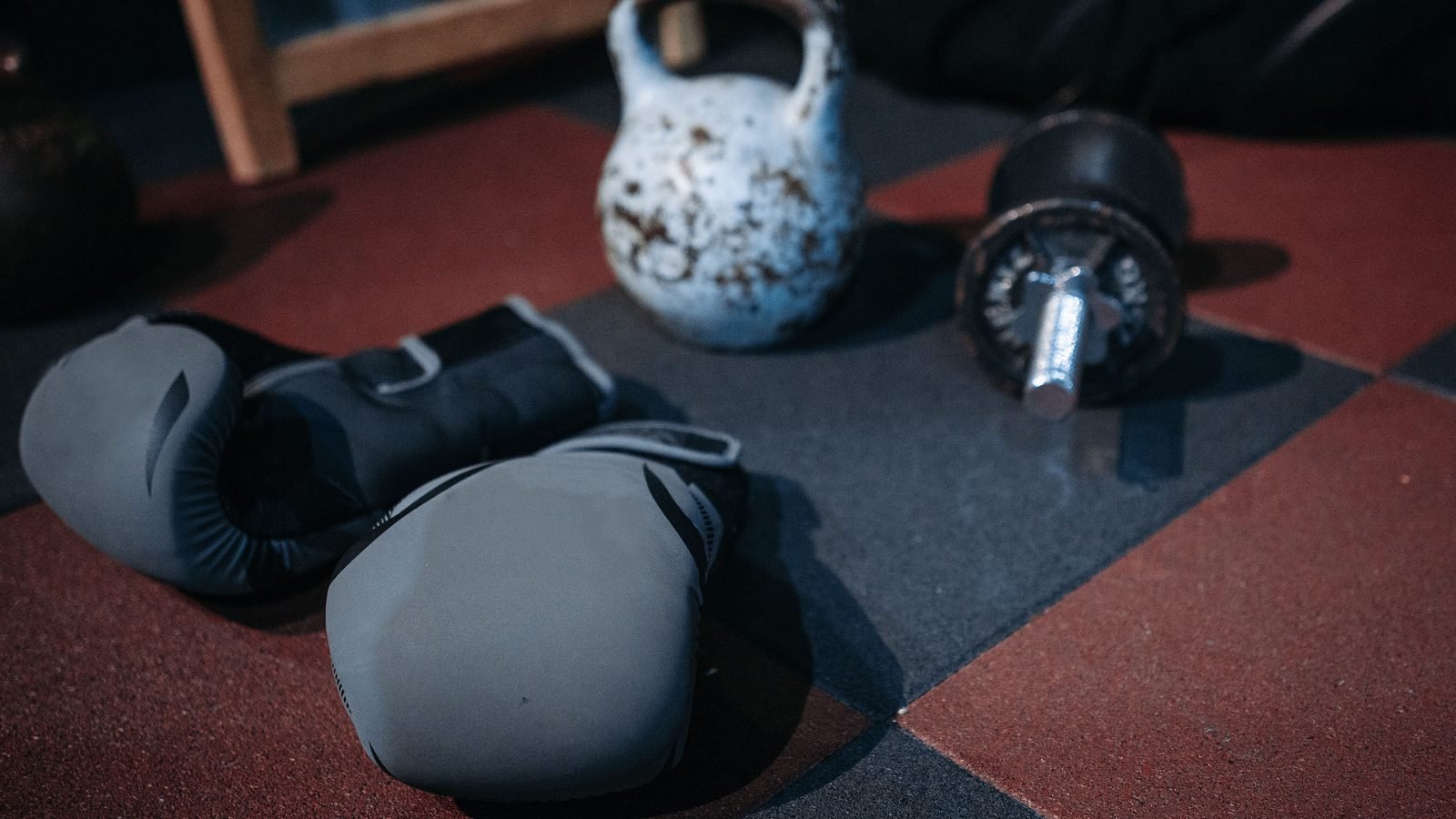
Quick answer: For most Indian flats, home gym flooring comes down to what you do on it. For bodyweight work and yoga, a thick exercise mat is enough. For dumbbells and kettlebells, lay 10 to 15 mm interlocking rubber tiles over the area you lift in. Under a treadmill or bike, use a dedicated equipment mat. EVA foam puzzle mats are cheap and comfy but dent under heavy kit and aren’t meant for dropped weights.
Key takeaways
- Rubber tiles are the most durable choice for weights and machines.
- EVA foam puzzle mats are light and cushioned, better for floor work than heavy lifting.
- You rarely need to cover the whole room. A 4 x 6 ft lifting zone is often enough.
- Wholesale listings on 16 Nov 2026 showed 10 to 12 mm rubber tiles at roughly ₹60 to ₹70 per sq ft, and 20 mm at roughly ₹100 to ₹110.
In this article, you’ll learn:
- The main home gym flooring options and what each is good for
- Rubber tiles vs EVA puzzle mats, side by side
- What thickness to buy for your workouts
- How much area to cover and rough costs
- What renters and upper-floor flats should keep in mind
Why Home Gym Flooring Matters in a Flat
Most Indian flats have vitrified tiles or marble. They look great and crack easily. One dropped 10 kg dumbbell can chip a tile, and replacing one tile that matches a 10-year-old floor is a real headache.
Then there’s noise. If you live above someone, every thud from a dumbbell or jump travels down through the slab. A good floor won’t make you silent, but it takes the edge off.
And there’s comfort. Planks, push-ups and lunges on a hard, cold floor in December aren’t fun. Cushioning makes you more likely to actually do the workout.
So home gym flooring is less about looks and more about three jobs: protect the floor, soften impact, and give you grip.
The Main Home Gym Flooring Options
| Option | Best for | Weak spot |
|---|---|---|
| Thick exercise or yoga mat (6 to 10 mm) | Yoga, bodyweight, stretching | Too small and soft for weights |
| EVA foam puzzle mats | Floor workouts, kids’ play, light dumbbells | Dents under heavy kit, can tear |
| Interlocking rubber tiles | Dumbbells, kettlebells, benches, racks | Heavier, costlier, may smell at first |
| Equipment mat (one piece) | Treadmill, exercise bike, rower | Covers only the machine |
| Rubber roll | Large rooms, heavy training | Hard to fit in a flat, may need glue |
Greatmats, a US flooring maker, sums up the split well in its rubber vs foam guide. Rubber gives the highest durability for exercise equipment and suits weightlifting and heavy machines. Foam is the cushioning choice for yoga, cardio and floor work.
Rubber Tiles vs EVA Puzzle Mats
This is the decision most people get stuck on, because the two look similar in photos.
Interlocking rubber tiles are dense and heavy. They don’t move when you drop a dumbbell, they take the weight of a bench without denting much, and sweat wipes off. The downsides are weight (harder to carry up four floors), a rubbery smell for the first week or two, and price.
EVA foam puzzle mats are the colourful or black foam tiles you see in kids’ rooms and budget home gyms. They’re light, soft on knees, cheap, and easy to lift and store. But foam compresses. Put a bench or a loaded rack on it and you’ll see dents. Drop a heavy weight and it can tear.
| Rubber tiles | EVA puzzle mats | |
|---|---|---|
| Feel | Firm, stable | Soft, springy |
| Dropped dumbbell | Handles it well | Can dent or tear |
| Under a bench or rack | Good | Dents over time |
| Weight to carry | Heavy | Very light |
| Smell | Some at first | Little |
| Best for | Strength training | Bodyweight, stretching, light work |
REP Fitness, a US equipment brand, also recommends rubber for home gyms in its flooring guide, citing durability, shock absorption and noise reduction. It points out that interlocking tiles suit spaces you may rearrange, and one damaged tile is easy to swap.
If you mostly do yoga, HIIT and bodyweight circuits, EVA is fine. If you own dumbbells over about 5 kg each, or a kettlebell, rubber is the safer buy.
What Thickness of Home Gym Flooring Do You Need?
Thicker isn’t always better. Very thick foam feels wobbly under your feet when you lunge.
| What you do | Suggested floor |
|---|---|
| Yoga, stretching, planks | 6 to 10 mm exercise mat |
| Bodyweight, HIIT on the spot | 10 to 15 mm EVA tiles or a thick mat |
| Dumbbells and kettlebells, placed down gently | 10 to 15 mm rubber tiles |
| Heavier weights, occasional drops | 15 to 20 mm rubber tiles |
| Treadmill or bike | Equipment mat under the machine |
Greatmats calls its 3/8 inch (about 10 mm) interlocking rubber tiles ideal for most home gyms, and suggests at least 3/4 inch (about 19 mm) for aggressive weightlifters. In a flat, you shouldn’t be doing aggressive drops anyway, so 10 to 15 mm covers most people.
For a treadmill, a dedicated equipment mat protects the floor under the machine’s weight. Decathlon India listed its Domyos floor protective mat (size L, 98 x 198 cm) at ₹2,999 as of 16 Nov 2026. Our treadmill buying guide covers the machine side.
How Much Area to Cover, and Rough Cost
You don’t need to tile the whole room. Mark the space where you actually train.
- Bodyweight only: one 6 x 2 ft mat
- Dumbbells plus floor work: about 4 x 6 ft (24 sq ft)
- Bench plus dumbbells: about 6 x 8 ft (48 sq ft)
Rough prices from wholesale listings on IndiaMART on 16 Nov 2026 (retail and brand prices are usually higher):
| Floor type | Rough price | 24 sq ft lifting zone |
|---|---|---|
| 10 to 12 mm rubber tiles | About ₹60 to ₹70 per sq ft | About ₹1,450 to ₹1,700 |
| 15 to 20 mm rubber tiles | About ₹100 to ₹110 per sq ft | About ₹2,400 to ₹2,650 |
| 10 to 12 mm EVA tiles | Roughly ₹60 per sq ft and up | About ₹1,450 and up |
Add delivery, and check whether the price is per piece, per set or per sq ft. Listings mix these up a lot.
Tips for Renters and Upper-Floor Flats
- Go loose-lay. Interlocking tiles need no glue, so they come up when you move out.
- Air out rubber tiles on a balcony for a few days before bringing them in, if the smell bothers you.
- Don’t drop weights. No flat floor makes dropped dumbbells quiet for the family below. Lower them with control.
- Put a small mat under the bench feet if the bench slides on tile.
- Sweep under the tiles now and then. Dust and grit under rubber can scratch the floor below.
Our kettlebell vs dumbbell guide helps if you’re still choosing weights for this space.
Frequently Asked Questions About Home Gym Flooring
Q: Can I use a yoga mat as home gym flooring?
For yoga and bodyweight work, yes. For dumbbells, kettlebells and benches, a yoga mat is too thin and small to protect tiles.
Q: Are EVA puzzle mats good for dumbbells?
For light dumbbells placed down gently, they’re okay. Heavier weights and benches dent foam, and drops can tear it. Rubber tiles are better.
Q: What thickness of rubber tiles should I buy for a flat?
10 to 15 mm suits most home workouts. Go up to 15 to 20 mm only if you use heavier weights.
Q: Do I need flooring under a treadmill?
It’s a good idea. An equipment mat spreads the machine’s weight, protects tiles from scratches and makes cleaning under it easier.
Our Verdict
For most Indian flats, the best home gym flooring is a mix. Rubber tiles where you lift, a good exercise mat for floor work, and an equipment mat under any machine. EVA puzzle mats are fine if you never go heavier than light dumbbells.
Save this guide for your next sale, share it with a friend setting up a home gym, and follow our WhatsApp channel for more no-nonsense buying guides.
2 thoughts on “Home Gym Flooring: Mats vs Interlocking Tiles for Flats”
Comments are closed.