
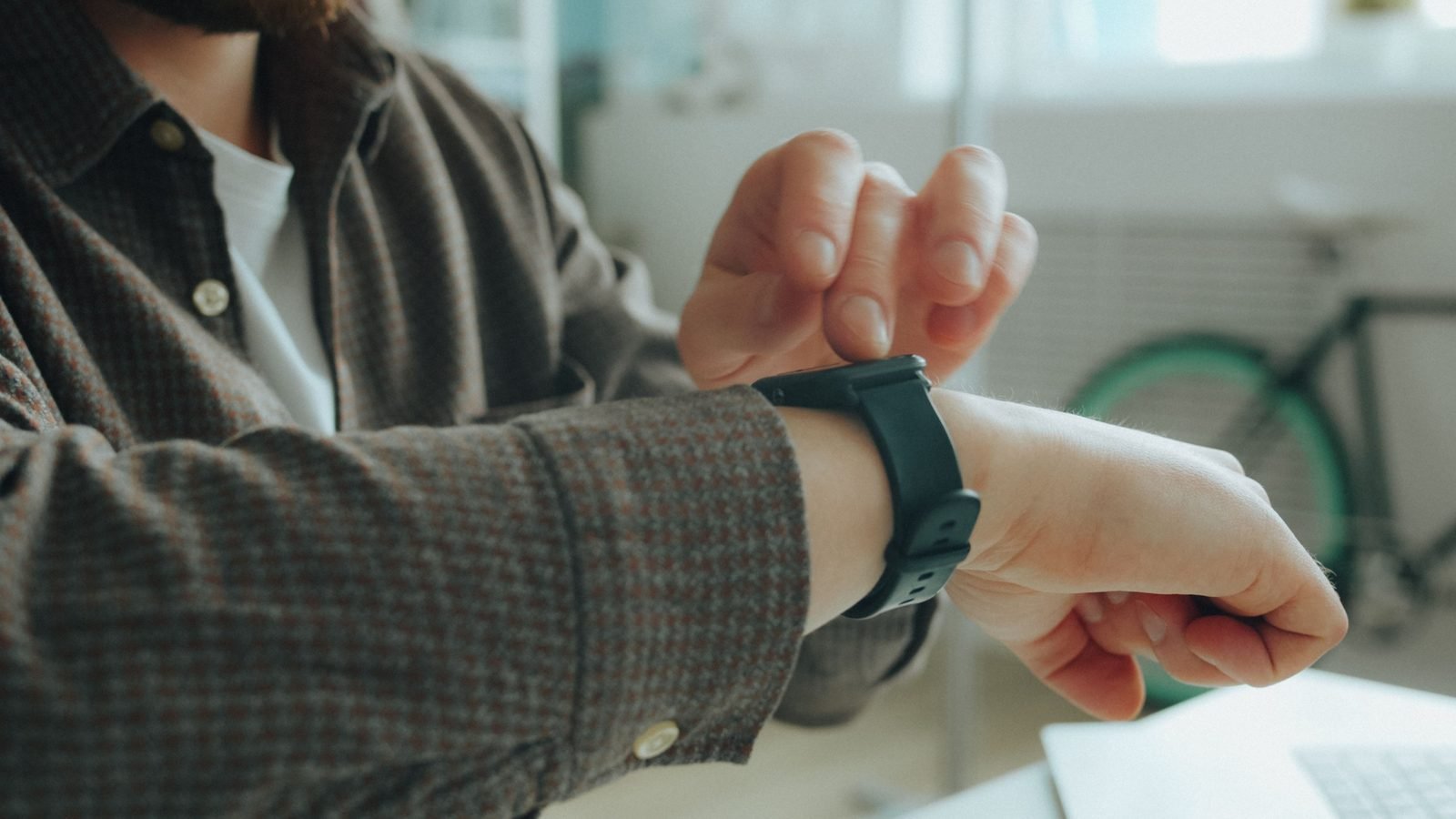
Quick answer: Most smartwatch strap rash comes from sweat, soap or lotion trapped under a tight band, not from a true allergy. Clean and dry the watch and your wrist after workouts, loosen the strap a notch, and take the watch off for an hour or so every day. If the rash keeps coming back in the same shape as the band or buckle, or it blisters, you may be allergic to a material such as nickel, and it’s worth seeing a dermatologist.
Key takeaways
- Irritant rashes can affect anyone with enough sweat and friction. Allergic rashes affect only people who are sensitised, and usually show up 24 to 72 hours after contact.
- Apple and Google both advise keeping the band and wrist clean and dry, and a fit that isn’t too tight.
- The AAD lists watches among the most common sources of nickel allergy.
- Switching to a cloth, leather or nickel-free band often fixes an allergy. Cleaning and fit fix most irritation.
In this article, you’ll learn:
- The difference between irritation and allergy
- The most common causes of smartwatch strap rash
- How to clean silicone, cloth and leather straps
- Which strap material to try next
- When to stop wearing the watch and see a doctor
Why You Get a Smartwatch Strap Rash
A smartwatch sits on the same patch of skin for most of the day, often through workouts, commutes and sleep. That’s a lot to ask of a small area of skin. There are two main kinds of reaction, and telling them apart decides the fix.
DermNet’s guide to contact dermatitis explains the difference clearly:
| Irritant contact dermatitis | Allergic contact dermatitis | |
|---|---|---|
| Who gets it | Anyone, with enough exposure | Only people already sensitised to a substance |
| How it happens | Direct damage from water, soap, sweat or friction | An immune reaction to a specific substance |
| When it shows | Right away, or slowly after repeated exposure | Usually 24 to 72 hours after contact |
| Typical watch trigger | Sweat and soap trapped under a tight band | Nickel in a buckle or case, or a band material |
| Main fix | Clean, dry, looser fit, wrist breaks | Avoid the trigger completely |
Most smartwatch strap rash falls in the first group. The second group is less common, but it won’t go away until you find and avoid the trigger.
Common Causes of Smartwatch Strap Rash
1. Sweat trapped under the band. Gym sessions, brisk walks and a humid Indian summer all leave moisture between the strap and your skin. Silicone and rubber bands don’t breathe much, so the skin stays damp for hours.
2. Soap, sunscreen and lotion. You wash your hands or apply moisturiser, and some of it slides under the band and stays there. Apple’s cleaning guide specifically mentions sweat, lotions and sunscreen as reasons to clean the watch and band.
3. A strap that’s too tight. Many people tighten the band to get better heart-rate readings and forget to loosen it after. Constant pressure and rubbing can lead to red, sore marks.
4. Nickel. The American Academy of Dermatology lists watches, along with earrings, among the most common culprits for nickel allergy. Metal buckles, metal links and some watch cases can contain nickel.
5. Other band materials. Some people react to chemicals used in rubber, dyes in coloured bands, or materials in cheap third-party straps. Apple’s care guide tells people with allergies or sensitivities to check the materials used in each band before buying.
6. A dirty strap. A strap worn daily without cleaning builds up sweat, dead skin and grime. That alone can irritate skin.
Irritation or Allergy? How to Tell
You can’t be sure without a doctor, but a few clues help:
- Likely irritation: The rash is under the whole band, gets worse after workouts or hot days, and gets better within a few days of keeping the area clean and dry.
- Likely allergy: The rash matches a specific part of the watch, such as the buckle or the back of the case. It may itch a lot, blister, and come back every time you wear that part, even when it’s clean.
If you think it’s an allergy, DermNet describes patch testing as the gold-standard way to find the exact trigger. A dermatologist can arrange it.
How to Fix Smartwatch Strap Rash
Start with the simple fixes. They solve most cases.
- Take the watch off and let the skin heal. Give it a few days. Your step count can wait.
- Clean the band and back of the watch. Use a lint-free cloth lightly dampened with fresh water. Apple says a mild hypoallergenic hand soap is fine for its Sport Band.
- Dry everything before wearing it again. Both Apple and Google say to dry the device well before putting it back on.
- Loosen the fit. Google’s Fitbit care guide suggests wearing the band loosely enough that it can move back and forth on your wrist. For workouts, you can slide it a few finger widths up your arm for a snug fit, then loosen it after.
- Give your wrist a rest. Google suggests removing the device for an hour or so after long wear. Bath time is an easy habit.
- Switch wrists. Alternating wrists gives each patch of skin time to recover.
- Keep creams and sunscreen off the band area. Put the watch on after lotion has soaked in.
How to Clean Different Strap Types
Different materials need different care. Apple’s guidance is a good general rule for most brands:
| Strap type | How to clean | Watch out for |
|---|---|---|
| Silicone / sport band | Wipe with a cloth dampened with water; mild hypoallergenic soap is fine | Traps sweat; clean after every workout |
| Woven / nylon / cloth | Apple suggests a little liquid detergent in water, rub gently, then lay flat to dry | Don’t soak bands the maker says aren’t water resistant |
| Leather | Wipe with a dry or lightly damp cloth, air dry fully | Not water resistant; avoid wearing it to the gym |
| Metal link / mesh | Wipe and dry; check the brand’s own guide | May contain nickel |
Always check your own brand’s care page. Instructions differ for some special materials.
Which Strap to Try Next
If you have a nickel allergy, the AAD suggests watchbands made of leather, cloth or plastic, and nickel-free metals such as surgical-grade stainless steel, high-karat gold, sterling silver or platinum. Clear nail polish on a buckle can work as a short-term barrier, but the AAD says it needs frequent reapplying.
For everyday Indian use, here’s a rough guide:
| Your situation | Strap to try | Rough price range |
|---|---|---|
| Sweaty gym or walking sessions | Breathable nylon or sport loop | ₹300 to ₹1,500 for a third-party one |
| Suspected nickel allergy | Cloth or plastic band with plastic buckle | ₹200 to ₹1,000 |
| Office and evenings | Leather band (keep it away from sweat) | ₹500 to ₹2,500 |
| Brand-name replacement | Official band from the watch maker | Usually much more |
Cheap third-party straps aren’t always the problem, but materials and finishes vary a lot. If a new strap brings the rash back, stop using it.
When to Stop Wearing the Watch and See a Doctor
Google lists redness, soreness, tingling, numbness, burning or stiffness as signs to loosen or remove the device, and suggests a dermatologist if symptoms persist.
See a doctor sooner if:
- The rash blisters, oozes or looks infected
- It keeps coming back even after cleaning and loosening
- It spreads beyond the strap area
- You have known eczema or other skin conditions
Wearables do a lot of good. Our guide to heart rate zones on your watch shows how useful the data can be. But no reading is worth sore, broken skin.
Frequently Asked Questions About Smartwatch Strap Rash
Q: Can you be allergic to a silicone watch strap?
It’s possible, since straps can contain dyes, coatings and other chemicals besides the base material. But irritation from sweat trapped under the band is the more common cause, so try cleaning, drying and loosening first.
Q: Why does my smartwatch rash only appear after a few days?
Allergic reactions often show up 24 to 72 hours after contact, according to DermNet. Irritation from sweat can also build up slowly with repeated wear.
Q: Should I wear my smartwatch while sleeping if I have a rash?
No. Let the skin heal first. Once it’s better, wear the band a little looser at night.
Q: Does a smartwatch strap rash mean the watch is unsafe?
Usually not. Most cases are irritation from sweat, soap and a tight fit. Fix those first, then look at the materials.
Keep the Watch, Lose the Rash
A smartwatch strap rash is common, annoying and usually fixable. Keep the band and your wrist clean and dry, wear it a little looser, take regular breaks and switch materials if you suspect an allergy. If the rash keeps returning, a dermatologist can find out why.
Save this post, share it with a friend who never takes their watch off, and follow our WhatsApp channel for more honest wearable tips.
This article is for general information and isn’t medical advice.