
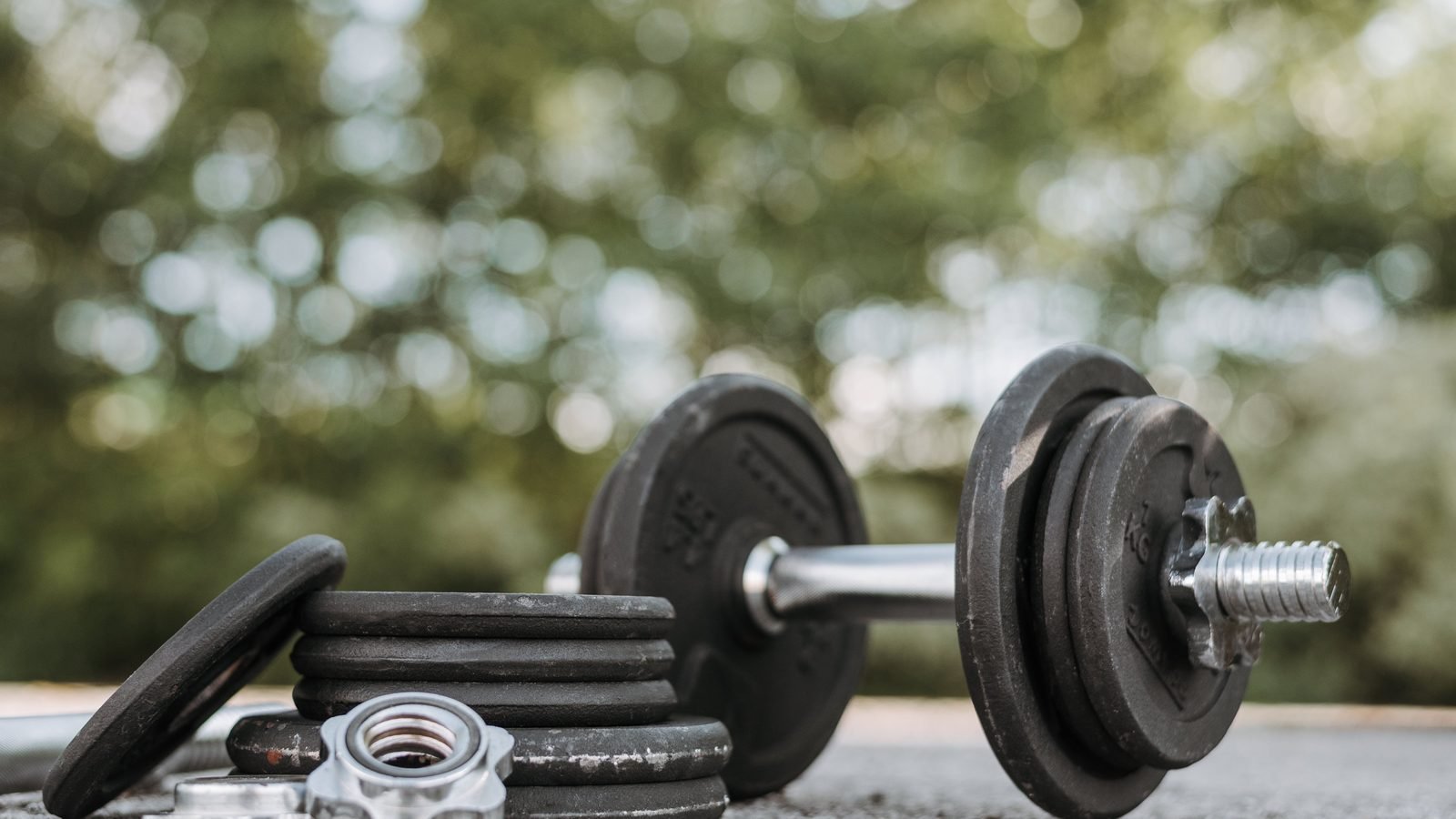
Quick answer: Spinlock collars usually loosen because the plates weren’t pushed tight against the inner stop, the collar was only spun on loosely, or the rubber ring and threads are worn. Push the plates in, spin the collar down until it grips the plate firmly, and check both ends before every set. If a collar still backs off after that, or the threads look chewed, replace the collar (and sometimes the handle). Never lift a dumbbell over your face or body with a loose collar.
Key takeaways
- Most loosening comes from a gap between plates, not a “faulty” collar.
- Hand-tight is enough, but it has to be properly hand-tight, with the rubber ring pressed into the plate.
- Check spinlock collars before each set. Setting the dumbbell down and picking it up again can shake them loose.
- Stripped threads, cracked rings or a collar that wobbles on the bar mean it’s time to replace it.
In this article, you’ll learn:
- Why spinlock collars work loose on home dumbbells
- The right way to tighten them
- 7 checks to run when a collar keeps spinning off
- When to replace the collar or the handle
- Safe habits that protect your feet and floor
Why Spinlock Collars Keep Loosening
Threaded dumbbell kits are a favourite in Indian homes. One box, two handles, a stack of cast iron plates and four spinlock collars, and you can go from 2 kg to 10 kg or more a side. The catch is that the collars need a little care.
A spinlock collar is just a big nut. It screws along the threaded handle and presses the plates against the fixed inner stop. When everything is snug, the plates can’t move. When there’s even a small gap, the plates shift a little with every rep. That rocking slowly unwinds the collar.
The common causes:
- A gap between plates. If the plates aren’t pushed together and against the inner stop before you tighten, the collar clamps air, not iron.
- Spun on, not tightened. A collar spun quickly down the thread can stop short of real pressure. It looks tight but isn’t.
- Worn or missing rubber ring. Many collars have a rubber or plastic ring on the inner face. It grips the plate. Once it hardens, cracks or falls out, the collar slips more easily.
- Dirty or rusty threads. Dust, sweat and rust make the collar feel tight early, before it’s really pressing on the plates.
- Damaged threads. Dropped dumbbells and cross-threaded collars chew up the thread. A damaged section can stop the collar from seating.
- Mismatched parts. Collars from a different kit may have a slightly different thread or bore. They can feel fine at first and still back off.
Decathlon’s support page for its own 20 kg threaded dumbbell kit puts it simply: be careful to properly tighten your threaded disc collars. It’s the same rule for any brand.
How to Tighten Spinlock Collars Properly
This takes about 20 seconds per dumbbell once you get used to it.
- Stand the dumbbell on its end on a mat, or hold it flat across your thighs while seated. Don’t do this with the dumbbell above your feet.
- Push the plates in. Slide every plate firmly against the inner stop and against each other. Big plates go on first, small ones outside.
- Thread the collar on straight. Start it gently. If it fights you in the first turn, back it off and start again. Forcing it is how threads get cross-threaded.
- Spin it down until it meets the plate. Most collars tighten clockwise when you look at the end of the bar, but check yours.
- Give it a final firm twist. Hold the plates with one hand and turn the collar hard with the other until the ring presses into the plate and stops.
- Wiggle test. Grip the plates and try to rotate them. If they turn on the handle, tighten again.
- Repeat on the other end. Then do the other dumbbell.
Don’t use pliers or a pipe wrench unless the maker says so. Extra force can crack plastic collars or damage the threads, and you’ll struggle to undo them later.
7 Checks When Spinlock Collars Won’t Stay Tight
If you’ve tightened properly and the collar still loosens within a few sets, work through this list.
| Check | What you’re looking for | Fix |
|---|---|---|
| 1. Plate gap | Light between plates, or plates not touching the inner stop | Push plates in, retighten |
| 2. Rubber ring | Hard, cracked, flattened or missing ring on the collar face | Replace the collar |
| 3. Thread condition | Flattened, shiny or chipped sections of thread | Clean; if damaged, replace handle |
| 4. Dirt and rust | Grit, sweat residue, orange rust on the thread | Wipe with a dry cloth, light rust brush, dry fully |
| 5. Matching parts | Collar from another kit, or a different bar diameter | Use collars made for that handle |
| 6. Collar wobble | Collar rocks side to side even when tight | Collar bore is worn; replace |
| 7. How you put it down | Dumbbell dropped or rolled on its collars | Set it down plate-first, gently |
A few notes on these:
Check 3 matters most. If one spot on the thread is damaged, the collar will feel tight there even though it’s not pressing on the plates. Run a finger along the thread and look closely in good light. A badly damaged handle isn’t worth saving. Replacement handles and collars are usually cheaper than a new kit, so ask the brand’s service centre or the seller first.
Check 5 catches a lot of people. Threaded bars come in different diameters, and collars are sold to match. A collar that’s “nearly right” will never hold well. Check the size in the product listing or the manual before you buy spares.
Check 7 is a habit, not a part. Dropping a dumbbell on its end or letting it roll across the floor shakes the collars and can bend or chip the thread. It’s also hard on tiles. Our guide to home gym flooring covers how to protect the floor.
Why Loose Collars Are a Real Safety Issue
A loose collar is more than an annoyance. A US study published in the American Journal of Sports Medicine looked at weight training injuries seen in emergency departments from 1990 to 2007. The most common way people got hurt was weights dropping on them, at 65.5% of injuries. About 90% of injuries involved free weights.
That study didn’t look at collars specifically, and it isn’t Indian data. But it shows why loose plates matter. A 2.5 kg plate sliding off during an overhead press or a lying chest fly can land on your face, chest or toes.
Simple rules that help:
- Check both collars before every set, especially on exercises where the dumbbell is above you.
- Wear shoes, not bare feet, if you lift heavier plates at home.
- Keep kids and pets away from the lifting area.
- Stop mid-set if you hear plates clink or see a collar turn. Put the dumbbell down and retighten.
- Lift over a mat, not over a glass table or a phone lying on the floor.
When to Replace Spinlock Collars or the Handle
Collars are cheap and wear out. Plates usually outlive them.
Replace the collar when:
- The rubber ring is gone or cracked
- The collar is cracked (common with plastic ones)
- It wobbles on the bar even when fully tightened
- It keeps loosening after you’ve ruled out plate gaps and dirt
Replace the handle when:
- The threads are visibly chewed or flattened in places
- Collars cross-thread at the same spot every time
- The bar is bent (roll it on a flat floor and watch for a wobble)
When buying, match the bar diameter and thread, and buy from the same brand where possible. Spare collars are usually sold in pairs and cost far less than a new kit, or a dropped plate on your foot. If your current set is old and you’re thinking about upgrading instead, our dumbbell set guide for home gyms explains the main options.
| Collar type | Grip | Speed to change | Notes |
|---|---|---|---|
| Spinlock (threaded) | Very firm when tightened properly | Slow | Most common on home kits |
| Star-lock style | Firm, easier to turn by hand | Slow to medium | Still threaded; same care applies |
| Spring clips | Moderate | Fast | Made for plain (unthreaded) bars, not threaded ones |
| Fixed / selectorised dumbbells | No collars to tighten | Fastest | Costs more; check the lock mechanism instead |
Frequently Asked Questions About Spinlock Collars
Q: How tight should spinlock collars be?
Firm hand-tight. Spin the collar down to the plates, then give it a strong final twist while holding the plates still. The plates shouldn’t rotate when you try to turn them by hand.
Q: Can I use thread tape or glue to stop them loosening?
It isn’t a good idea. Tape or glue can make the collar hard to remove and can hide a real problem like a worn ring or damaged thread. Fix the cause instead.
Q: Why does only one end keep loosening?
Usually a plate gap on that side, a worn collar, or damaged thread at that end. Swap the collars between ends. If the problem moves with the collar, replace the collar. If it stays with the end, check the thread.
Q: Are spinlock collars safe for overhead lifts?
Yes, when they’re tight and in good condition. Check them before every overhead set, and stop if you hear any clinking.
Tight Collars, Safer Sets
Spinlock collars are simple, and that’s their strength. Push the plates together, tighten properly, check before each set, and replace worn parts early. Five seconds of checking beats a plate on your toes.
Save this for your next home workout, share it with a friend who just bought a dumbbell kit, and follow our WhatsApp channel for more home gym tips.