
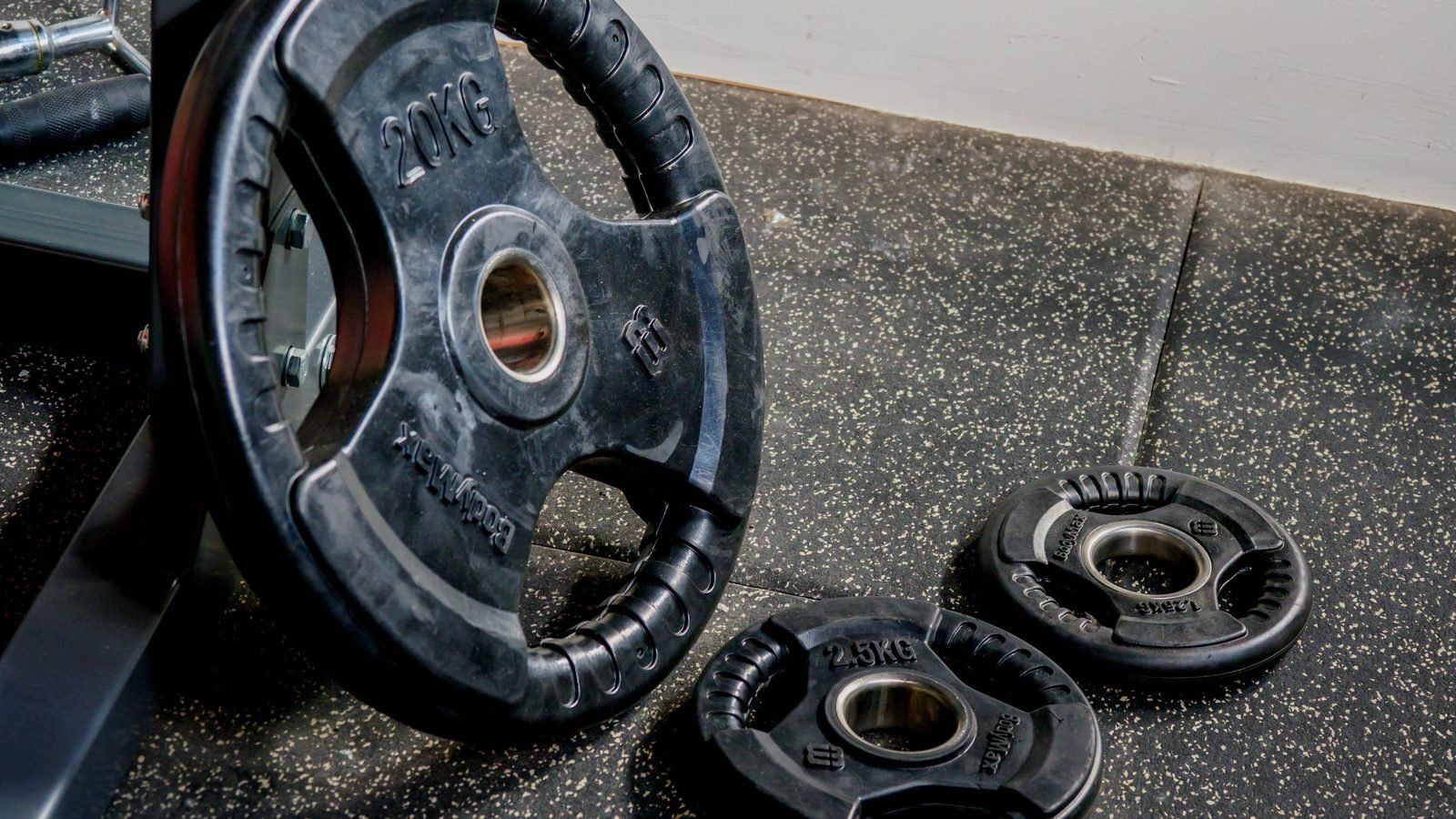
Quick answer: For most flats, rubber-coated cast iron weight plates are the best balance. They’re quieter and kinder to tiles than bare cast iron, and much cheaper and slimmer than bumper plates. Bare cast iron is the budget pick if you train on a thick mat and lower weights gently. Bumper plates only make sense if you do Olympic lifts that need dropping, and you’d also need a 50 mm Olympic bar and proper flooring.
Key takeaways
- Check the hole size first. Many home bars and dumbbell handles in India are 28 mm. Olympic bars and bumper plates are 50 mm, and they don’t mix.
- On decathlon.in on 23 November 2026, a 10 kg plate cost about ₹1,699 in bare cast iron, ₹2,999 rubber-coated and ₹4,999 as a bumper.
- Rubber coating cuts noise and floor marks, which matters most in an apartment.
- Bumper plates are wide (450 mm for the 10 kg Decathlon disc) and designed for dropped lifts, which most home lifters don’t do.
In this article, you’ll learn:
- What actually separates rubber, cast iron and bumper weight plates
- The 28 mm vs 50 mm bar mistake to avoid
- Live prices and ₹ per kg compared
- Which plates suit a flat, and which don’t
- Storage and safety checks before you buy
Weight Plates Explained: Three Types
All three are discs you slide onto a bar or dumbbell handle. The difference is what they’re made of and what they’re built to survive.
Bare cast iron plates are solid metal, usually painted. They’re the thinnest and cheapest per kg. They clang when they touch, and they can chip a tile if you set them down hard.
Rubber-coated plates are cast iron inside with a rubber layer outside. Many have handles cut into them, so you can carry them easily or use one plate for goblet squats. The rubber softens knocks but they’re still not meant to be dropped from overhead.
Bumper plates are thick, wide rubber discs with a 50 mm hole. They’re designed to take drops in Olympic lifting, where the bar comes down from overhead after a snatch or a clean and jerk.
If you already use spinlock dumbbells, most of our spinlock collar checks apply here too: plates are only as safe as the collars holding them.
The 28 mm vs 50 mm Mistake
This is the most common buying error with weight plates. The size of the centre hole has to match your bar.
- 28 mm is common for home dumbbell handles and straight bars sold in India, including Decathlon’s own range.
- 50 mm is the Olympic size, used on gym barbells and with bumper plates.
Decathlon’s product pages are clear about this. Its 10 kg rubber disc page says the plate is compatible with 28 mm bars and not with Olympic bars, which have a 50 mm diameter. Its 10 kg cast iron plate page says a 50 mm bar will not fit. Buy plates first and the wrong bar later, and you’ll have a pile of discs you can’t use.
If you’ve got a 28 mm handle set at home, stick to 28 mm weight plates. Switching to 50 mm means a new barbell, new collars and usually a rack, which is a much bigger spend.
Weight Plates Compared: Price, Size and Noise
Prices below were read on decathlon.in product pages on 23 November 2026. They change often, so treat them as a snapshot and check the live page before you pay. Each listing is for a single plate.
| 10 kg plate | Hole | Size (from listing) | Listed price | ₹ per kg | MRP shown |
|---|---|---|---|---|---|
| Cast iron plate | 28 mm | 295 mm across, 30 mm thick | ₹1,699 | about ₹170 | ₹2,799 |
| Rubber disc with handles | 28 mm | 289 mm across, 40 mm thick | ₹2,999 | about ₹300 | ₹4,999 |
| Bumper disc | 50 mm | 450 mm across | ₹4,999 | about ₹500 | ₹8,299 |
A few things stand out:
- Cast iron is the cheapest by a wide margin. Roughly half the price of rubber-coated per kg on these listings.
- Rubber-coated plates are a bit thicker. On these two 10 kg discs, the rubber one is 10 mm thicker. On a short dumbbell handle, that can limit how much weight fits.
- Bumpers are big. At 450 mm across, a 10 kg bumper is far wider than the other two. Storage in a small room gets tricky.
Decathlon’s cast iron page also says cast iron is denser than vinyl, so more discs fit on a bar, and that it handles shocks better than vinyl plates. Its rubber disc page says the rubber coating dampens impacts and protects floors.
Which Weight Plates Suit a Flat?
Think about three things: your neighbours, your floor and the lifts you actually do.
Pick rubber-coated weight plates if:
- You live in an upper-floor apartment and worry about noise
- You train on vitrified tiles or marble
- You want plates you can also use alone for squats and lunges (the handle versions help here)
Pick bare cast iron if:
- Budget matters most
- You already have a thick mat or interlocking tiles. Our home gym flooring guide covers both
- You lift slowly and set plates down gently
Pick bumper plates only if:
- You do Olympic lifts or heavy deadlifts where the bar gets dropped
- You have, or plan to buy, a 50 mm Olympic bar
- You have a ground-floor space or a proper lifting platform
For most beginners doing squats, presses, rows and curls at home, bumpers are overkill. You’d pay roughly three times the cast iron price per kg for a feature you won’t use.
Storage, Rust and Safety
Weight plates are heavy, flat and easy to trip over. A few habits keep them safe:
- Store them off the floor or upright. Decathlon suggests a wall-mounted disc holder, a storage rack or the lower part of a cupboard.
- Keep them dry. Both the cast iron and rubber-coated listings warn that plates can rust if kept somewhere damp. Avoid open balconies during the monsoon.
- Wipe them down. A dry or damp microfibre cloth is enough, the rubber disc page says.
- Always use collars. Both listings recommend a collar on each end of the bar. Spinlock handles need theirs checked every set.
- Respect the bar limit. The cast iron page says not to exceed 15 kg when using the bar vertically.
How much should you lift and how often? The WHO recommends muscle-strengthening activity on two or more days a week for adults. The NHS strength exercises page has simple moves you can start with.
Frequently Asked Questions About Weight Plates
Q: Are rubber weight plates better than cast iron for home use?
In a flat, usually yes. They’re quieter and less likely to mark floors. Cast iron is cheaper and slimmer, so it’s fine if you train on a good mat and lower weights gently.
Q: Can I use bumper plates on my dumbbell handles?
Usually not. Bumper plates have a 50 mm hole for Olympic bars. If your handles are 28 mm, as many home sets are, they won’t fit.
Q: Are weight plates sold singly or in pairs?
It depends on the listing. The Decathlon plates in our table are sold as single units. Always check the product description before comparing prices.
Q: How much weight should a beginner buy first?
Enough for two or three useful loads, such as a light pair for presses and a heavier total for squats and rows. Our hex vs round dumbbells guide helps if you’re still choosing a handle type.
Our Pick
For weight plates in a flat, rubber-coated cast iron is the safest all-round choice, bare cast iron is the budget choice, and bumpers are only for people who drop the bar. Check the hole size before anything else. Save this post before you add plates to your cart, share it with a friend building a home gym, and follow our WhatsApp channel for more buying guides.
1 thought on “Weight Plates for Flats: Rubber vs Cast Iron vs Bumper”
Comments are closed.