
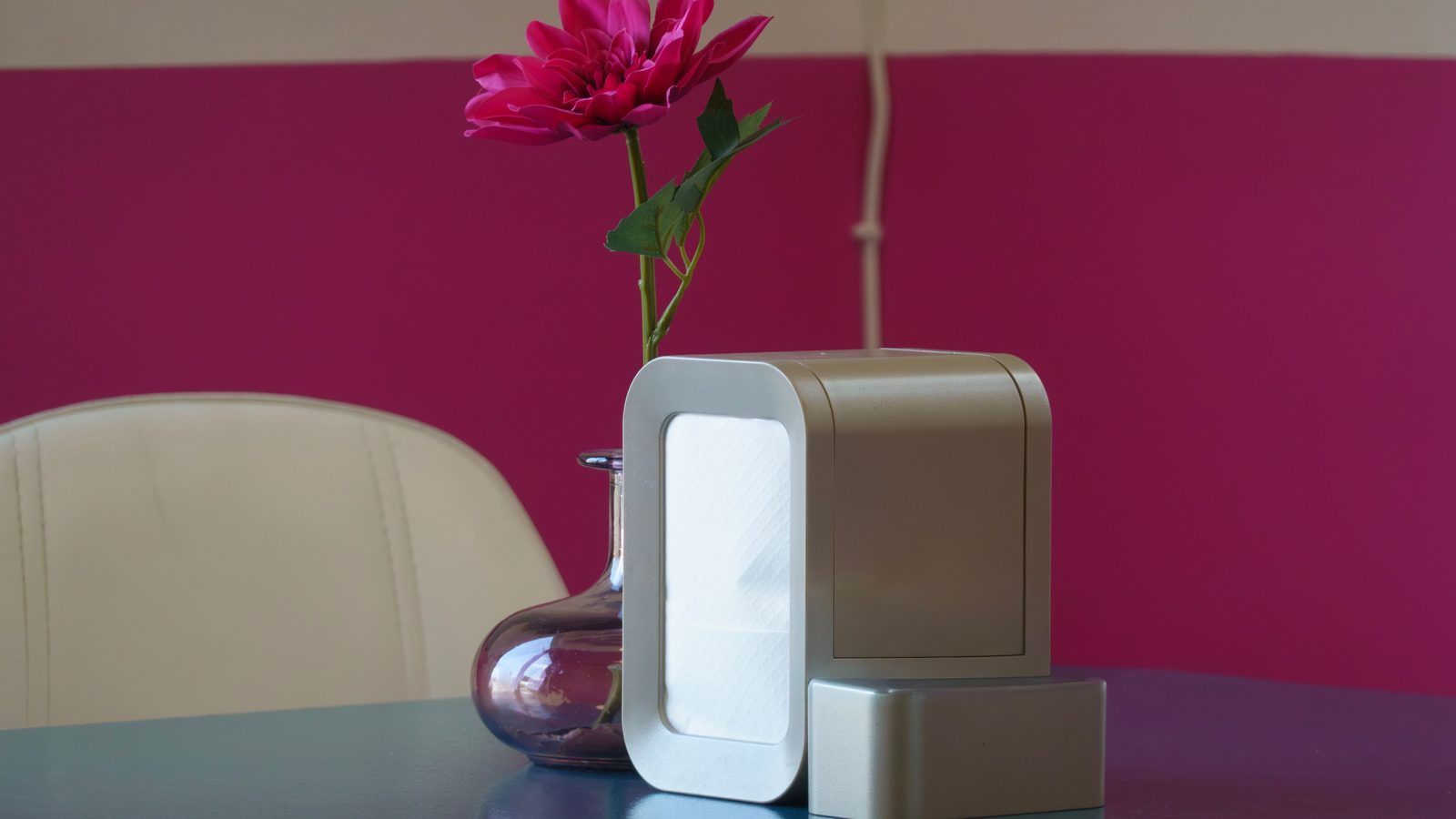
Quick answer: Yes, an air purifier for home workouts helps, but only if it has a true HEPA filter, is sized for your room, and runs with the windows and doors closed for 20–30 minutes before you start. It cuts the fine dust (PM2.5) you breathe in while you exercise hard. It won’t fix stuffiness or carbon dioxide build-up, and it can’t make a large, open room clean with a small machine. If you already own one, move it into the room where you work out.
Key takeaways
- A HEPA purifier reduces fine particles indoors; that’s the pollution that matters most in smog season.
- Size it by CADR: the bigger the room, the higher the CADR you need.
- Close the room and run it 20–30 minutes before your workout for the best effect.
- Skip ozone-producing “ionizer” claims; they’re not what you want while breathing hard.
Why Home Workout Air Matters in Smog Season
When Delhi and other north Indian cities slip into the “poor” AQI band, the usual advice is to move exercise indoors. That’s sensible. But indoor air isn’t automatically clean. Fine particles drift in through gaps in windows and doors, and indoor sources like cooking, incense and agarbatti add more.
During a workout you breathe much faster and deeper than when you’re sitting. A brisk session can multiply the air you pull in. So whatever’s floating in your room, you take in a lot more of it during a skipping session than while watching TV.
That’s where an air purifier for home workouts comes in. It won’t make you fitter. It just lowers the dose of fine particles during the hour you breathe hardest.
In this article, you’ll learn:
- What a purifier removes and what it doesn’t
- How to pick the right size for your workout room
- A simple set-up routine before you exercise
- Whether it’s worth buying just for workouts
What an Air Purifier for Home Workouts Can Do
A purifier with a true HEPA filter pulls room air through a dense mesh that traps fine particles. The US Environmental Protection Agency’s guide to air cleaners in the home says portable air cleaners can reduce indoor particle pollution when they’re the right size for the room and run consistently.
That’s the main benefit for you: less PM2.5 in the air you breathe during a hard set.
What It Can’t Do
Be honest with yourself about the limits before you spend money.
- It doesn’t add oxygen or remove carbon dioxide. A closed room with two people doing burpees gets stuffy. A purifier doesn’t change that.
- It’s weak against gases. Most budget models have a thin carbon layer at best. Smells and some gases pass through.
- It can’t keep up with an open window. If outdoor air keeps flowing in, the machine is fighting a losing battle.
- It won’t help in a huge open hall. A small purifier in a big living-dining space barely moves the needle.
The WHO links fine particles to heart and lung disease, so lowering exposure is worth doing. Just don’t treat a purifier as a magic shield.
How to Size an Air Purifier for Your Workout Room
Ignore the “covers up to 500 sq ft” claim on the box. Look for the CADR (clean air delivery rate), usually given in cubic metres per hour (m³/h). Higher CADR means it cleans the room faster.
A simple rule many buyers use is to pick a CADR that can clean your room’s air about 4–5 times an hour.
| Room size | Example room | Rough CADR to look for |
|---|---|---|
| Up to 120 sq ft | Small bedroom or study | 150–200 m³/h |
| 120–200 sq ft | Standard bedroom | 200–300 m³/h |
| 200–300 sq ft | Large bedroom / small living room | 300–400 m³/h |
| 300+ sq ft | Living room | 400+ m³/h or two units |
To work it out: room length × width × height (in metres) gives volume. Multiply by 4 or 5 for the CADR you want. A 3 m × 4 m room with a 3 m ceiling is 36 m³, so aim for about 150–180 m³/h.
Prices in India for a decent HEPA purifier with a CADR in the 200–400 range usually fall around ₹8,000–₹20,000, with replacement filters every 6–12 months costing roughly ₹2,000–₹5,000. Check the filter price before you buy the machine.
A 5-Step Set-Up Before Every Home Workout
- Pick one room. Work out in the smallest room that fits your mat or equipment. A smaller space gets clean faster.
- Close windows and doors. Do this 20–30 minutes before you start.
- Run the purifier on high. The noise doesn’t matter much during a workout. Turn it down later.
- Place it well. Keep it a metre or so from walls, not tucked behind furniture, and not blowing straight into your face.
- Air the room later. When the outdoor AQI dips (often in the afternoon), open windows briefly to clear stuffiness.
If you cook before you work out, wait a while. Tadka smoke and frying add their own particles.
Do You Need to Buy One Just for Workouts?
Not necessarily. Whether an air purifier for home workouts is worth it depends on where you live and how you train:
- Buy it if you live in a city that spends weeks in the “poor” to “very poor” band, you work out at home most days, or someone in the house has asthma.
- Skip it if your city’s AQI is usually under 100, or you mainly walk outdoors and the bad-air weeks are rare.
- Already have one? Carry it into your workout room instead of leaving it in the bedroom.
An air purifier for home workouts is a support tool. Your progress still comes from showing up for the workouts. Our indoor walking workout and the guide to exercising in polluted air cover what to do once the room is ready.
Common Mistakes With an Air Purifier for Home Workouts
- Switching it on the moment you start. Give it a head start.
- Leaving a window “slightly open for fresh air”. That lets PM2.5 keep flowing in.
- Never changing the filter. A clogged filter cleans poorly. Follow the indicator or the manual.
- Buying for features, not CADR. Wi-Fi apps and colour lights don’t clean air. When you compare any air purifier for home workouts, put CADR and filter cost first.
- Trusting “ionizer” or “ozone” claims. The EPA advises against ozone generators for indoor use. Ozone can irritate lungs, which is the opposite of what you want while exercising.
Frequently Asked Questions About an Air Purifier for Home Workouts
Q: Does an air purifier help while exercising indoors?
Yes, a correctly sized HEPA purifier lowers fine particles in a closed room, so you breathe in less during hard effort. It doesn’t fix stuffiness or CO2.
Q: How long should I run it before working out?
About 20–30 minutes on high with windows and doors closed is a good rule. Larger rooms or lower-CADR machines need longer.
Q: Can I use a purifier in a room with a treadmill?
Yes. Keep it a metre from the treadmill so the belt motor and the purifier both have room to breathe, and don’t place it right behind you.
Q: Is a costly purifier always better?
No. Compare CADR, filter type (true HEPA) and yearly filter cost. A mid-priced model with the right CADR beats an expensive one that’s too small.
The Bottom Line
An air purifier for home workouts is worth it if you train indoors through weeks of bad air. Pick a true HEPA model with the right CADR, close up the room, and give it a head start. Just remember it cleans particles, not stuffiness, and it doesn’t replace the workout itself.
Save this guide for smog season, share it with a friend who’s moved their workouts indoors, and follow FitnessGear.in on WhatsApp for more home-fitness tips.
This article is for general information and isn’t medical advice.