
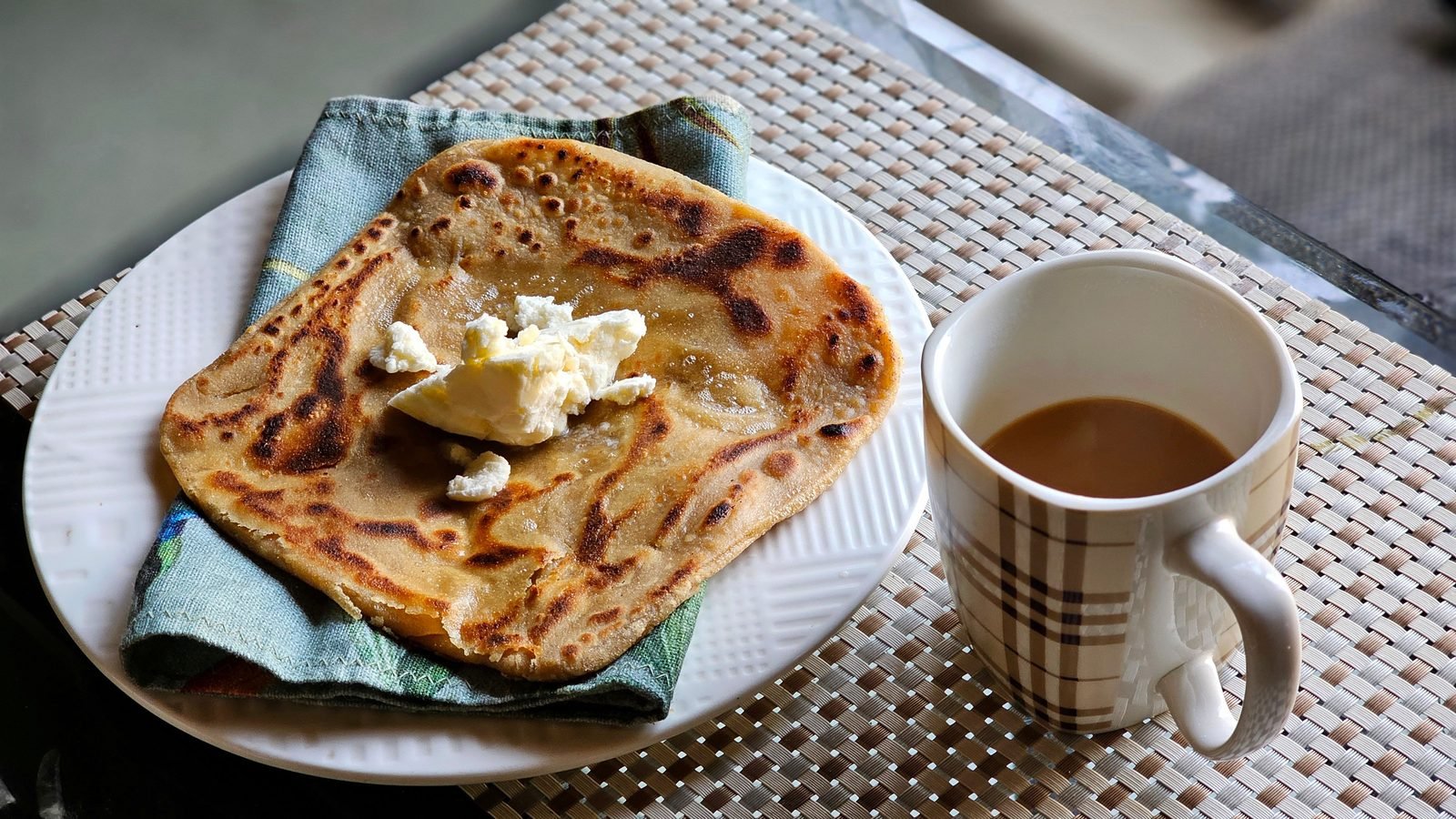
Quick answer: When it comes to ghee for weight loss, the honest answer is that ghee doesn’t burn fat, and it doesn’t ruin a diet either. It’s almost pure fat, so every teaspoon (about 5 g) adds roughly 45 kcal. For most people trying to lose weight, 1 to 2 measured teaspoons a day, counted inside your total cooking fat, fits fine. The bigger problem is hidden ghee on rotis, in tadka, sweets and restaurant food, which can quietly add 200 to 400 kcal a day.
Key takeaways
- Fat has 9 kcal per gram. Ghee is nearly all fat, so small amounts add up fast.
- ICMR-NIN advises limiting high saturated-fat fats like ghee and butter. WHO advises keeping saturated fat under 10% of daily calories.
- There’s no good evidence for ghee for weight loss as a fat burner. It doesn’t speed up fat loss.
- Measure ghee with a spoon for two weeks. Most people find they use more than they thought.
In this article, you’ll learn:
- What ghee really adds in calories
- What Indian and global guidelines say about ghee
- How much ghee fits a fat-loss diet
- Where hidden ghee sneaks into Indian meals
- Simple swaps that keep the taste
Is Ghee for Weight Loss Good or Bad?
Ghee has two reputations in India. One says it’s a superfood that “melts belly fat”. The other says it’s the reason you can’t lose weight. Neither is quite right.
Ghee is clarified butter, which means almost all the water and milk solids are removed. What’s left is nearly 100% fat. The NHS guide to fats explains that a gram of any fat gives 9 kcal, compared with 4 kcal for carbohydrate or protein. That makes ghee one of the most calorie-dense foods in your kitchen.
Fat loss depends on eating fewer calories than you burn over time. So the question about ghee for weight loss isn’t “good or bad”. It’s “how much, and are you counting it?”
There’s no strong research behind ghee for weight loss as a strategy. Adding ghee to your diet doesn’t make you lose fat faster. Claims about ghee coffee, ghee on an empty stomach, or ghee “boosting metabolism” aren’t backed by good human trials. Enjoy it for taste and tradition, not as a fat burner.
What Guidelines Say About Ghee
Two sources are worth knowing:
- ICMR-NIN (India). The Dietary Guidelines for Indians advise using oils and fats in moderation and say to limit high saturated-fat oils and fats such as ghee and butter. They also suggest using a variety of oils rather than one.
- WHO. The WHO healthy diet fact sheet says no more than 10% of total energy should come from saturated fat, and lists ghee among foods high in saturated fat.
On a 2,000 kcal day, 10% is 200 kcal, or about 22 g of saturated fat from your whole diet. That includes ghee, butter, full-fat milk, paneer, cheese, coconut and fried snacks. Ghee is mostly saturated fat, so a heavy ghee habit can use up much of that limit on its own.
Ghee Calories: The Spoon Maths
These are rough numbers. Spoon sizes vary, and a “heaped” spoon can be double a level one.
| Amount of ghee | Approx. weight | Approx. calories |
|---|---|---|
| ½ teaspoon | 2–3 g | 20–25 kcal |
| 1 level teaspoon | about 5 g | about 45 kcal |
| 1 heaped teaspoon | 8–10 g | 70–90 kcal |
| 1 tablespoon | 13–15 g | 115–135 kcal |
| ¼ cup (for halwa or laddoos) | about 50 g | about 450 kcal |
Now picture a normal day. A teaspoon on each of four rotis, a spoon in the dal tadka, a little on rice. That’s easily 4 to 6 teaspoons, or about 180 to 270 kcal, before any sweets.
If you’re aiming for a deficit of 300 to 500 kcal a day, unplanned ghee can wipe out half of it. That’s the real problem with ghee for weight loss: not the ghee, but the amount nobody counts. That’s often why people “eat clean” and still don’t lose weight.
How Much Ghee for Weight Loss Is Reasonable?
There’s no official ghee-only quota. But a practical approach for most healthy adults trying to lose fat looks like this:
- Count ghee inside your total cooking fat. Ghee plus oil plus butter is one budget, not three.
- Keep ghee to about 1 to 2 measured teaspoons a day on most days. Use it where you taste it most, like on dal or one roti.
- Use oils for the rest of your cooking, as ICMR-NIN suggests, rotating between a few.
- Plan festive days. A wedding or a festival with ghee-rich sweets is fine. Just don’t let every day become one.
If you have high cholesterol, heart disease, diabetes or a family history of heart problems, ask your doctor or a dietitian how much saturated fat suits you. Your limit may need to be lower.
Where Hidden Ghee Hides
Most extra ghee isn’t the spoon you add at the table. It’s the ghee you don’t see.
- Rotis and parathas brushed with ghee, especially at restaurants and dhabas
- Dal tadka and khichdi finished with a generous pour
- Halwa, laddoos, barfi and other sweets often made with lots of ghee
- Biryani and pulao cooked with ghee for flavour
- Wedding and festival food, which is usually richer than home cooking
- “Desi ghee” snacks like mathri, namak para and some biscuits
Our post on weekend weight gain explains why a rich weekend of eating shows up on Monday’s scale, and how much of it is real.
Simple Swaps That Keep the Taste
| Instead of | Try | Saves (approx.) |
|---|---|---|
| Ghee on every roti | Ghee on one roti, plain for the rest | 90–135 kcal |
| Ghee-fried tadka | Small ghee tadka, measured | 45–90 kcal |
| Ghee paratha | Phulka with dal and sabzi | 100+ kcal |
| Heaped spoons | Level spoon, or a ½ tsp measure | 25–45 kcal per spoon |
| Pouring from the jar | Spooning into a small katori first | Hard to say, but usually a lot |
Other easy wins:
- Keep a teaspoon in the ghee jar. It’s a tiny habit that makes you measure without thinking.
- Add ghee at the end, not while cooking. You taste more of it, so you need less.
- Choose your ghee moments. Ghee on hot khichdi in winter can be worth it. Ghee on a roti you’re eating with a rich sabzi probably isn’t.
- Keep walking. It won’t cancel heavy ghee use, but it helps your daily deficit. Our chai sugar maths post shows how small daily extras add up the same way.
Frequently Asked Questions About Ghee for Weight Loss
Q: Does ghee on an empty stomach help weight loss?
There’s no good evidence for this. It adds about 45 kcal per teaspoon whenever you have it. Timing doesn’t change the calories.
Q: Is ghee better than oil for weight loss?
For weight, there’s little difference. When people compare ghee for weight loss with oil, the calorie answer is simple: both have about 9 kcal per gram. For heart health, guidelines prefer mostly unsaturated oils and limiting saturated fats like ghee.
Q: Can I eat ghee every day while losing weight?
Yes, in small measured amounts. About 1 to 2 teaspoons a day fits most fat-loss diets if you count it in your total fat.
Q: Is homemade ghee healthier than store-bought?
Homemade ghee may taste fresher, but the fat and calories are about the same. The amount you use matters more than where it came from.
Keep the Ghee, Measure the Spoon
Ghee for weight loss isn’t a trick, and it isn’t a villain. It’s a rich fat that’s easy to overuse without noticing. Measure it, count it with your other cooking fats, keep it to a teaspoon or two on most days, and save the generous pours for festive meals.
Save this for your next grocery run, share it with the family cook, and follow our WhatsApp channel for more simple weight loss tips.
This article is for general information and isn’t medical advice.