
Quick answer: Sore legs after dancing at a wedding are usually delayed onset muscle soreness (DOMS), and it often feels worst 2 to 3 days later. Keep moving gently with short walks, sleep well, eat proper meals with protein, and use massage or a foam roller if you have one. Skip a hard leg workout until the soreness eases. Sharp pain, swelling, a joint that won’t take weight or dark, cola-coloured urine need a doctor, not a recovery plan.
Key takeaways
- Soreness that builds over a day or two after unfamiliar dancing is normal and usually eases over several days.
- Gentle movement helps more than lying in bed all day.
- In a big 2018 review, massage came out as the most effective recovery method for soreness.
- Know the difference between soreness and an injury like a sprained ankle.
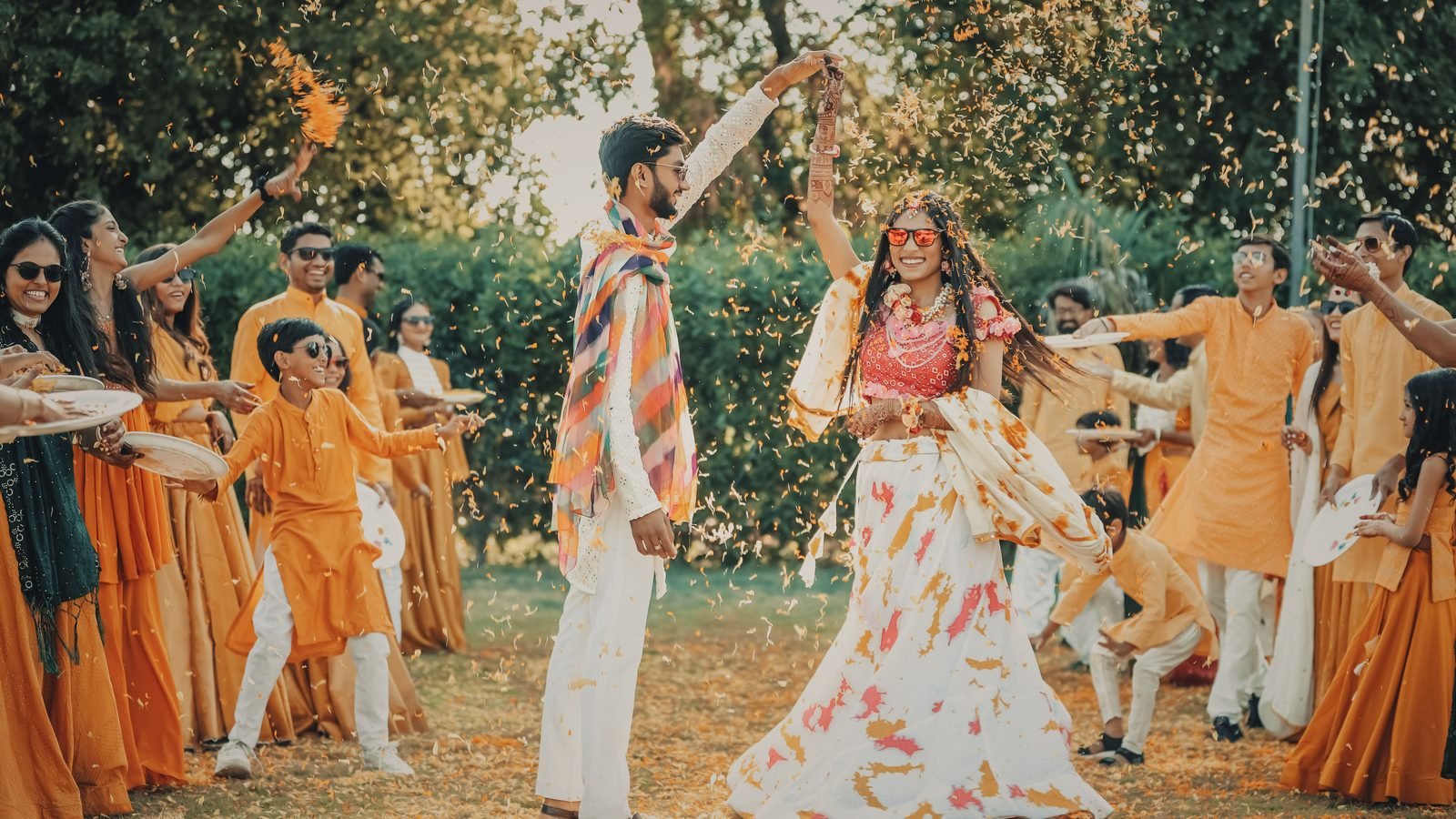
The baraat went on for two hours. Then the sangeet the night before, and the reception after. You danced in juttis or heels on a hard floor, jumped through every bhangra beat and squatted for a dozen group photos. Next morning your thighs and calves are stiff. By the day after, getting off a chair feels like a workout. Sore legs after dancing are one of the most common wedding-season complaints, and the good news is that most of it settles on its own in a few days.
In this article, you’ll learn:
- Why wedding dancing hits your legs so hard
- Why day 2 often feels worse than day 1
- A simple 3-day recovery plan
- What helps, what doesn’t, and what the research says
- Warning signs that mean it’s more than soreness
Why Wedding Dancing Leaves You With Sore Legs
Most of us don’t dance for three hours very often. That’s the main reason. A review of muscle soreness in Sports Medicine (Cheung and colleagues, 2003) notes that soreness is common when people start activities they aren’t used to, and that “eccentric” movements cause more of it. Eccentric means the muscle is working while it lengthens, like your thighs controlling you down into a squat or your calves landing from a jump.
Wedding dancing is full of these movements:
- Bhangra-style jumps and landings
- Deep knee bends and garba-style steps, round after round
- Standing and dancing for hours on hard floors
- Dancing in heels or flat juttis with no cushioning
If you’ve been practising for the sangeet, you may have got off lightly. If you went from desk to dance floor, your legs will tell you about it. Our post on sangeet dance practice covers how much exercise those rehearsals really are.
Why Sore Legs After Dancing Feel Worse on Day 2
This catches people out. You feel a bit tired the morning after, then worse the next day. A 2018 review of muscle soreness in Sportverletzung Sportschaden (Hotfiel and colleagues) says soreness typically peaks 48 to 72 hours after exercise. The cause is small-scale damage in the muscle and the body’s repair response, which takes time to build.
It isn’t lactic acid. That idea has been around for years, but the Cheung review lists it as just one of several old theories, and the current view focuses on muscle damage and inflammation.
So if your sangeet was Thursday night and your legs feel worst on Saturday, that’s right on schedule.
The 3-Day Recovery Plan for Sore Legs After Dancing
Count from the night of the big dance. If you’ve got more functions coming, the plan still works. Just go easy on the dance floor at the next one.
| Day | Movement | Food and water | Rest and relief |
|---|---|---|---|
| Day 1 (morning after) | 15 to 20 minute easy walk, gentle leg swings, climb stairs slowly | Normal meals with protein: dal, paneer, eggs, curd, chicken. Water through the day | Early night if you can. Warm shower |
| Day 2 (often the worst) | Two short 10 to 15 minute walks. Light stretching only, no forcing | Keep meals regular, don’t skip breakfast after a late function | Massage or foam roller on thighs and calves, gently |
| Day 3 | 20 to 30 minute walk, light cycling or easy yoga. No heavy leg workout yet | Same as above | Many people start to feel better now. If it is getting worse, see the warning signs below |
Day 1: get up and walk
It’s tempting to stay in bed. Don’t. Cheung’s review found exercise was the most effective way to ease the pain of soreness, though the relief is temporary. An easy walk around the colony or the hotel corridor gets blood moving and loosens the stiffness. Keep it slow and short.
Day 2: ease it out, don’t push it
This is when sore legs after dancing tend to peak. Walk a little, twice. If you have a foam roller or massage gun, use it on the fleshy parts of your thighs and calves, not on joints or bones. Our guide to massage guns under ₹3,000 covers the basics. A family member’s hands work too.
Day 3: back to light exercise
Many people can return to normal walking now. Cheung’s review suggests cutting back on intensity and duration for a day or two after a bout of hard, soreness-causing exercise, and working other body parts instead. So skip squats, lunges and running for now. An upper-body session or a brisk walk is fine.
What Actually Helps (and What Doesn’t)
A big 2018 meta-analysis in Frontiers in Physiology (Dupuy and colleagues) pooled 99 studies on recovery methods. Here’s what it found for soreness:
| Method | What the review found |
|---|---|
| Massage | The most effective method for reducing soreness and tiredness |
| Active recovery (light movement) | Reduced soreness |
| Compression garments | Reduced soreness and perceived fatigue |
| Cold water immersion, cryotherapy | Reduced soreness |
| Stretching and other methods | No change in soreness |
That stretching result surprises people. Gentle stretching still feels nice and keeps you mobile, so do it if you like it. Just don’t expect it to make the soreness vanish.
What about painkillers? Cheung’s review found the effect of anti-inflammatory tablets depended on the dose and timing. If you’re thinking of taking one, especially if you have stomach, kidney or heart issues, check with a pharmacist or doctor first.
Is It Soreness or an Injury?
Normal sore legs after dancing feel like a dull, all-over ache in the muscle that’s worse when you move after sitting, and it eases over a few days. An injury feels different.
The NHS page on sprains and strains lists signs such as pain and tenderness in one spot, swelling or bruising, and trouble putting weight on the area. Twisted ankles in heels are common at weddings. For a sprain, the NHS suggests protecting and resting the area, ice wrapped in a cloth, and avoiding heat and massage for the first couple of days. That’s the opposite of what helps plain soreness, so it matters which one you have.
Get urgent help if:
- You can’t put weight on your leg or walk more than a few steps
- You heard a crack, or the joint looks out of shape
- There’s large or growing swelling, numbness or tingling
- Your urine turns dark, red or cola-coloured, or you’re passing much less of it
That last one matters. MedlinePlus lists dark or cola-coloured urine, muscle pain and weakness as symptoms of rhabdomyolysis, a rare but serious breakdown of muscle that can follow severe exertion. It needs medical care straight away.
How to Avoid Sore Legs at the Next Function
Weddings in India rarely come one at a time. A few small things make sore legs after dancing less likely at the next one:
- Warm up for two minutes. March in place and do a few easy squats before the dhol starts.
- Take breaks. Dance a few songs, sit one out, drink water.
- Switch shoes. Keep a pair of flats or cushioned sandals in the car for the long dancing stretch.
- Build up. If you have functions all season, short walks and a few bodyweight squats on non-wedding days help your legs cope. Our knee friendly cardio guide has easy starts.
Frequently Asked Questions About Sore Legs After Dancing
Q: How long do sore legs after dancing last?
Usually a few days. Soreness tends to peak 48 to 72 hours after the exercise and then gradually fades over the following days.
Q: Should I rest completely or keep moving?
Keep moving gently. Easy walking helps the stiffness. Just avoid hard leg workouts until the soreness has mostly gone.
Q: Does a hot water bath or ice help sore legs?
A warm bath can feel good for plain soreness. Cold water immersion reduced soreness in the 2018 review. For a sprain or a swollen joint, the NHS advises ice and avoiding heat for the first couple of days.
Q: Can I dance again at the next function while my legs are sore?
Usually yes, if it’s general soreness and not an injury. Dance at a gentler pace, take breaks, and wear comfortable shoes. Stop if you get sharp pain in one spot.
The Bottom Line
Sore legs after dancing are your muscles adapting to something new. Walk gently, eat and sleep well, use massage if you can, and give it three days. Watch for the signs of a real injury or dark urine, and get help for those.
Save this for the morning after the next sangeet, share it with your cousin who danced the whole baraat, and follow our WhatsApp channel for more wedding-season fitness tips.
This article is for general information and isn’t medical advice.