
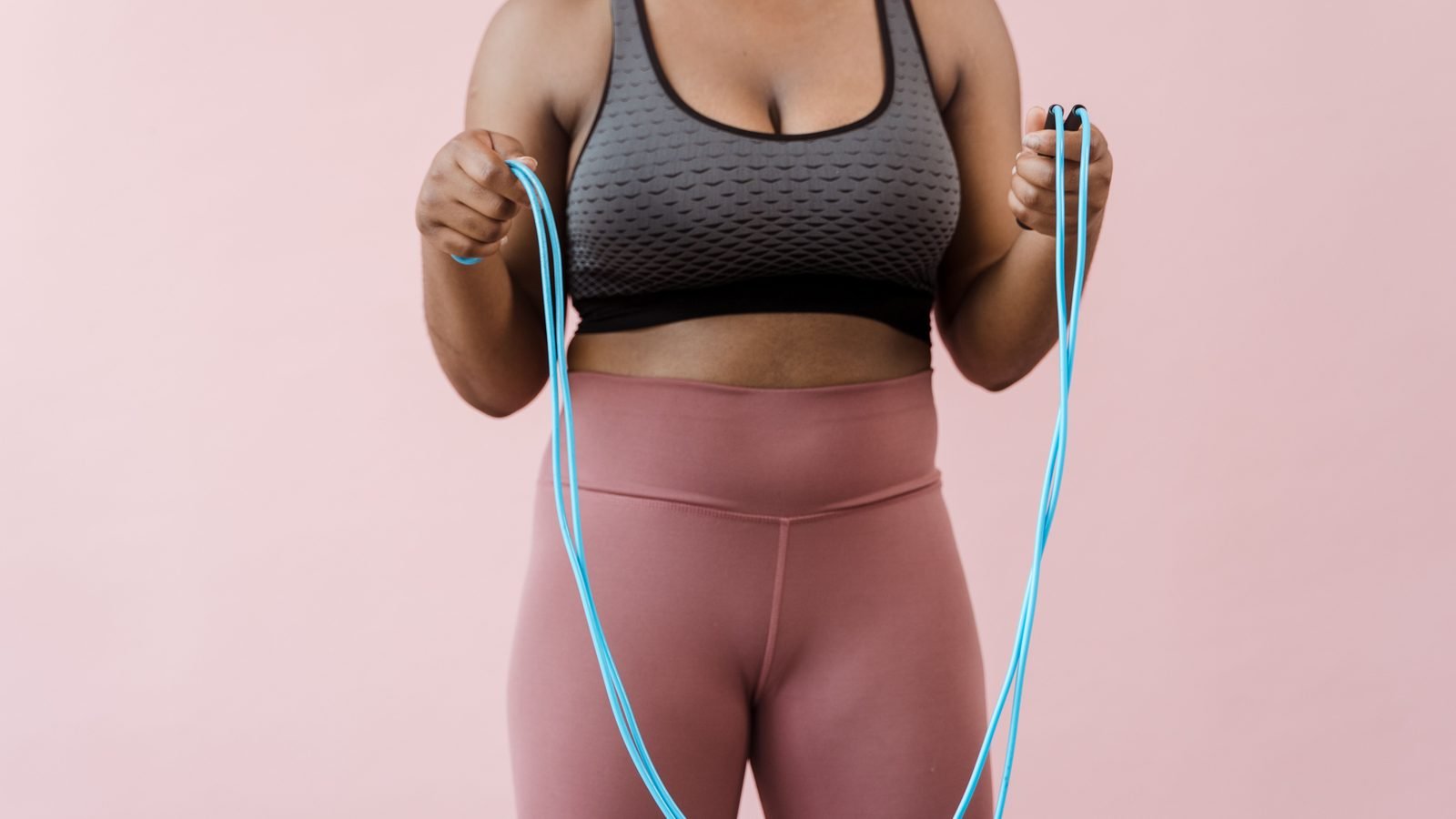
Quick answer: For most people, a simple skipping rope with a digital counter on the handle is the sweet spot. It costs roughly ₹120 to ₹400 on Amazon India and keeps you honest about how many skips you’ve done. A Bluetooth app rope (around ₹3,000 to ₹5,000) only makes sense if you’ll actually use the workout history. Cordless “ropeless” handles are handy in small flats but aren’t a full replacement for a real rope.
Key takeaways
- A smart skipping rope counts turns of the rope, not your jumps. Treat its calorie number as a rough estimate.
- On Amazon India on 17 November 2026, basic ropes started near ₹100, counter ropes sat around ₹120 to ₹400, and an app-connected RENPHO rope was listed near ₹3,400.
- Ignore inflated “MRP” figures. We saw a ₹699 rope listed against an MRP of ₹69,900.
- Skipping is high impact. Heavy beginners and people with knee pain should start with lower-impact cardio.
In this article, you’ll learn:
- The four types of skipping rope, and what “smart” really means
- What each type costs in India right now
- How much skipping actually burns, with simple maths
- Who should buy a smart skipping rope and who shouldn’t
- Six checks before you add one to your cart
What Makes a Skipping Rope “Smart”?
The word “smart” covers a wide range. Here are the four types you’ll see when you search:
- Basic rope. PVC or steel cable, plastic or foam handles, no electronics. You count in your head.
- Digital counter rope. A small screen on one handle counts turns. Most also show time and an estimated calorie number. Some let you set a target count or a timer.
- Cordless or “ropeless” handles. Short weighted cords or balls replace the full rope, and the handle counts your turns. You get the wrist and jump motion without a rope hitting the ceiling fan.
- App-connected smart skipping rope. A counter rope that syncs over Bluetooth to a phone app, which stores your sessions, shows trends and may run timed challenges. Many switch between a real rope and cordless mode.
Most counters work by sensing the handle or rope turning. That means they count rotations, not whether your feet cleared the rope. If you trip and keep turning, or swing it without jumping, you may still get counted. It’s fine for tracking progress, but don’t expect lab accuracy.
Smart Skipping Rope Prices in India
We checked Amazon India search results for skipping ropes with counters on 17 November 2026. Prices move every day, so take these as rough ranges, not quotes.
| Type | Approx. price seen | Good for | Watch out for |
|---|---|---|---|
| Basic rope | ₹100 to ₹300 | Anyone starting out | Cheap handles that spin poorly |
| Digital counter rope | ₹120 to ₹400 | Most beginners and weight-loss goals | Tiny screens, button cells that die |
| Cordless / ropeless handles | ₹130 to ₹900 | Small flats, low ceilings, rainy days | Feels different from a real rope |
| App-connected (e.g. RENPHO) | Around ₹3,400 to ₹5,000 | Data lovers who log every workout | Paying for features you won’t open |
Two things stood out. First, the gap between a basic rope and a counter rope is small, often ₹100 to ₹200. Second, many listings show wildly inflated MRPs. One cordless rope selling at ₹699 showed an MRP of ₹69,900. Another at ₹199 showed ₹19,900. Ignore the “90% off” badge and compare the actual selling price.
How Much Does Skipping Really Burn?
The 2024 Adult Compendium of Physical Activities gives rope jumping these values, in METs (multiples of your resting energy use):
- Slow pace, under 100 skips a minute: 8.3 METs
- Moderate pace, 100 to 120 skips a minute: 11.8 METs
- Fast pace, 120 to 160 skips a minute: 12.3 METs
For comparison, the Compendium’s walking table puts brisk walking on flat ground (3.5 to 3.9 mph, about 5.6 to 6.3 km/h) at 4.8 METs.
A common way to estimate calories is: METs × 3.5 × your weight in kg ÷ 200 = calories per minute.
| Activity (70 kg person) | METs | Approx. per minute | 10 minutes |
|---|---|---|---|
| Brisk walking | 4.8 | about 6 kcal | about 60 kcal |
| Slow skipping | 8.3 | about 10 kcal | about 100 kcal |
| Moderate skipping | 11.8 | about 14 kcal | about 145 kcal |
So skipping burns roughly two to three times what brisk walking does per minute. The catch is that most beginners can’t skip for 10 minutes straight. You’ll do 30 to 60 seconds, rest, and repeat. Your real total for a 15-minute session might be closer to 5 or 6 minutes of actual skipping.
Your smart skipping rope’s calorie number uses its own formula, often based on the weight you enter. It’s a ballpark figure, like the calorie number on a smartwatch.
Who Should Buy a Smart Skipping Rope?
Buy a digital counter rope if you want a cheap, simple way to track progress. Going from 50 skips without stopping to 200 is motivating, and a counter makes that visible. This is the best pick for most readers.
Buy an app-connected rope if you already log workouts, like streaks and charts, and will check the app every week. Otherwise you’re paying ten times more for data you’ll forget about.
Buy cordless handles if you live in a flat with low ceilings, a fan in the way, or a downstairs neighbour who complains. They’re also handy for quick indoor sessions on smoggy or foggy mornings. Many people keep both a rope and cordless handles.
Skip skipping for now if you’re carrying a lot of extra weight, have knee, ankle or back pain, or haven’t exercised in years. Every landing sends a jolt through your ankles, knees and hips. Start with our knee-friendly cardio plan and come back to the rope later.
The WHO recommends 150 to 300 minutes of moderate activity or 75 to 150 minutes of vigorous activity a week for adults. Skipping counts as vigorous, so short sessions add up fast.
6 Checks Before You Buy
- Adjustable length. Stand on the middle of the rope. The handles should reach roughly your armpits. Make sure you can shorten it easily.
- Bearings in the handles. Ball-bearing handles spin smoothly. Cheap ones stick and break your rhythm.
- Rope material. PVC is fine for beginners. Thin steel cable is faster but stings when it hits you.
- Counter reset and battery. Check how the count resets and what battery it uses. Button cells are cheap but easy to lose track of.
- Return policy. Counter ropes can arrive dead or with a faulty screen. Buy from a seller with easy returns.
- Your floor. Skip on a mat or wooden floor, not bare tiles or concrete. Our home gym flooring guide covers what works in flats.
A quick accuracy test once it arrives: do 50 slow skips while counting out loud, then check the handle. If it’s close, it’s good enough.
Frequently Asked Questions About Smart Skipping Ropes
Q: Is a smart skipping rope worth it for weight loss?
A cheap counter rope is worth it because it helps you track and grow your skips. An expensive app rope won’t burn more calories than a basic rope. The work you put in matters, not the electronics.
Q: Are skipping rope counters accurate?
They count rope or handle turns, so they’re usually close when you skip cleanly. Trips and swings without jumping can still be counted. Calorie figures are estimates.
Q: Is a cordless skipping rope as good as a real one?
It gives you similar movement and effort, which is great for small spaces. But you don’t have to time your jump over a real rope, so it trains coordination a little less.
Q: How long should a beginner skip each day?
Start with 5 to 10 minutes in short bursts, like 30 seconds on and 30 seconds off, three or four days a week. Add time slowly, and rest if your calves or shins feel sore.
The Bottom Line
A smart skipping rope doesn’t need to be expensive. A ₹120 to ₹400 counter rope gives you the one feature that really helps: knowing your count. Pay more for an app rope only if you’ll use the data, and pick cordless handles if space is tight. Then the only thing left is to start jumping.
Save this guide before you shop, share it with a friend comparing ropes, and follow our WhatsApp channel for more honest fitness gear advice.
This article is for general information and isn’t medical advice.